
Get trending papers in your email inbox once a day!
Get trending papers in your email inbox!
Subscribe
DropletVideo: A Dataset and Approach to Explore Integral Spatio-Temporal Consistent Video Generation
Spatio-temporal consistency is a critical research topic in video generation. A qualified generated video segment must ensure plot plausibility and coherence while maintaining visual consistency of objects and scenes across varying viewpoints. Prior research, especially in open-source projects, primarily focuses on either temporal or spatial consistency, or their basic combination, such as appending a description of a camera movement after a prompt without constraining the outcomes of this movement. However, camera movement may introduce new objects to the scene or eliminate existing ones, thereby overlaying and affecting the preceding narrative. Especially in videos with numerous camera movements, the interplay between multiple plots becomes increasingly complex. This paper introduces and examines integral spatio-temporal consistency, considering the synergy between plot progression and camera techniques, and the long-term impact of prior content on subsequent generation. Our research encompasses dataset construction through to the development of the model. Initially, we constructed a DropletVideo-10M dataset, which comprises 10 million videos featuring dynamic camera motion and object actions. Each video is annotated with an average caption of 206 words, detailing various camera movements and plot developments. Following this, we developed and trained the DropletVideo model, which excels in preserving spatio-temporal coherence during video generation. The DropletVideo dataset and model are accessible at https://dropletx.github.io.




Diffuman4D: 4D Consistent Human View Synthesis from Sparse-View Videos with Spatio-Temporal Diffusion Models
This paper addresses the challenge of high-fidelity view synthesis of humans with sparse-view videos as input. Previous methods solve the issue of insufficient observation by leveraging 4D diffusion models to generate videos at novel viewpoints. However, the generated videos from these models often lack spatio-temporal consistency, thus degrading view synthesis quality. In this paper, we propose a novel sliding iterative denoising process to enhance the spatio-temporal consistency of the 4D diffusion model. Specifically, we define a latent grid in which each latent encodes the image, camera pose, and human pose for a certain viewpoint and timestamp, then alternately denoising the latent grid along spatial and temporal dimensions with a sliding window, and finally decode the videos at target viewpoints from the corresponding denoised latents. Through the iterative sliding, information flows sufficiently across the latent grid, allowing the diffusion model to obtain a large receptive field and thus enhance the 4D consistency of the output, while making the GPU memory consumption affordable. The experiments on the DNA-Rendering and ActorsHQ datasets demonstrate that our method is able to synthesize high-quality and consistent novel-view videos and significantly outperforms the existing approaches. See our project page for interactive demos and video results: https://diffuman4d.github.io/ .

VideoMolmo: Spatio-Temporal Grounding Meets Pointing
Spatio-temporal localization is vital for precise interactions across diverse domains, from biological research to autonomous navigation and interactive interfaces. Current video-based approaches, while proficient in tracking, lack the sophisticated reasoning capabilities of large language models, limiting their contextual understanding and generalization. We introduce VideoMolmo, a large multimodal model tailored for fine-grained spatio-temporal pointing conditioned on textual descriptions. Building upon the Molmo architecture, VideoMolmo incorporates a temporal module utilizing an attention mechanism to condition each frame on preceding frames, ensuring temporal consistency. Additionally, our novel temporal mask fusion pipeline employs SAM2 for bidirectional point propagation, significantly enhancing coherence across video sequences. This two-step decomposition, i.e., first using the LLM to generate precise pointing coordinates, then relying on a sequential mask-fusion module to produce coherent segmentation, not only simplifies the task for the language model but also enhances interpretability. Due to the lack of suitable datasets, we curate a comprehensive dataset comprising 72k video-caption pairs annotated with 100k object points. To evaluate the generalization of VideoMolmo, we introduce VPoS-Bench, a challenging out-of-distribution benchmark spanning five real-world scenarios: Cell Tracking, Egocentric Vision, Autonomous Driving, Video-GUI Interaction, and Robotics. We also evaluate our model on Referring Video Object Segmentation (Refer-VOS) and Reasoning VOS tasks. In comparison to existing models, VideoMolmo substantially improves spatio-temporal pointing accuracy and reasoning capability. Our code and models are publicly available at https://github.com/mbzuai-oryx/VideoMolmo.



Slicedit: Zero-Shot Video Editing With Text-to-Image Diffusion Models Using Spatio-Temporal Slices
Text-to-image (T2I) diffusion models achieve state-of-the-art results in image synthesis and editing. However, leveraging such pretrained models for video editing is considered a major challenge. Many existing works attempt to enforce temporal consistency in the edited video through explicit correspondence mechanisms, either in pixel space or between deep features. These methods, however, struggle with strong nonrigid motion. In this paper, we introduce a fundamentally different approach, which is based on the observation that spatiotemporal slices of natural videos exhibit similar characteristics to natural images. Thus, the same T2I diffusion model that is normally used only as a prior on video frames, can also serve as a strong prior for enhancing temporal consistency by applying it on spatiotemporal slices. Based on this observation, we present Slicedit, a method for text-based video editing that utilizes a pretrained T2I diffusion model to process both spatial and spatiotemporal slices. Our method generates videos that retain the structure and motion of the original video while adhering to the target text. Through extensive experiments, we demonstrate Slicedit's ability to edit a wide range of real-world videos, confirming its clear advantages compared to existing competing methods. Webpage: https://matankleiner.github.io/slicedit/


JVID: Joint Video-Image Diffusion for Visual-Quality and Temporal-Consistency in Video Generation
We introduce the Joint Video-Image Diffusion model (JVID), a novel approach to generating high-quality and temporally coherent videos. We achieve this by integrating two diffusion models: a Latent Image Diffusion Model (LIDM) trained on images and a Latent Video Diffusion Model (LVDM) trained on video data. Our method combines these models in the reverse diffusion process, where the LIDM enhances image quality and the LVDM ensures temporal consistency. This unique combination allows us to effectively handle the complex spatio-temporal dynamics in video generation. Our results demonstrate quantitative and qualitative improvements in producing realistic and coherent videos.
Unleashing the Potential of Multimodal LLMs for Zero-Shot Spatio-Temporal Video Grounding
Spatio-temporal video grounding (STVG) aims at localizing the spatio-temporal tube of a video, as specified by the input text query. In this paper, we utilize multimodal large language models (MLLMs) to explore a zero-shot solution in STVG. We reveal two key insights about MLLMs: (1) MLLMs tend to dynamically assign special tokens, referred to as grounding tokens, for grounding the text query; and (2) MLLMs often suffer from suboptimal grounding due to the inability to fully integrate the cues in the text query (e.g., attributes, actions) for inference. Based on these insights, we propose a MLLM-based zero-shot framework for STVG, which includes novel decomposed spatio-temporal highlighting (DSTH) and temporal-augmented assembling (TAS) strategies to unleash the reasoning ability of MLLMs. The DSTH strategy first decouples the original query into attribute and action sub-queries for inquiring the existence of the target both spatially and temporally. It then uses a novel logit-guided re-attention (LRA) module to learn latent variables as spatial and temporal prompts, by regularizing token predictions for each sub-query. These prompts highlight attribute and action cues, respectively, directing the model's attention to reliable spatial and temporal related visual regions. In addition, as the spatial grounding by the attribute sub-query should be temporally consistent, we introduce the TAS strategy to assemble the predictions using the original video frames and the temporal-augmented frames as inputs to help improve temporal consistency. We evaluate our method on various MLLMs, and show that it outperforms SOTA methods on three common STVG benchmarks. The code will be available at https://github.com/zaiquanyang/LLaVA_Next_STVG.


STAR: Spatial-Temporal Augmentation with Text-to-Video Models for Real-World Video Super-Resolution
Image diffusion models have been adapted for real-world video super-resolution to tackle over-smoothing issues in GAN-based methods. However, these models struggle to maintain temporal consistency, as they are trained on static images, limiting their ability to capture temporal dynamics effectively. Integrating text-to-video (T2V) models into video super-resolution for improved temporal modeling is straightforward. However, two key challenges remain: artifacts introduced by complex degradations in real-world scenarios, and compromised fidelity due to the strong generative capacity of powerful T2V models (e.g., CogVideoX-5B). To enhance the spatio-temporal quality of restored videos, we introduce~\name (Spatial-Temporal Augmentation with T2V models for Real-world video super-resolution), a novel approach that leverages T2V models for real-world video super-resolution, achieving realistic spatial details and robust temporal consistency. Specifically, we introduce a Local Information Enhancement Module (LIEM) before the global attention block to enrich local details and mitigate degradation artifacts. Moreover, we propose a Dynamic Frequency (DF) Loss to reinforce fidelity, guiding the model to focus on different frequency components across diffusion steps. Extensive experiments demonstrate~\name~outperforms state-of-the-art methods on both synthetic and real-world datasets.




Edit-A-Video: Single Video Editing with Object-Aware Consistency
Despite the fact that text-to-video (TTV) model has recently achieved remarkable success, there have been few approaches on TTV for its extension to video editing. Motivated by approaches on TTV models adapting from diffusion-based text-to-image (TTI) models, we suggest the video editing framework given only a pretrained TTI model and a single <text, video> pair, which we term Edit-A-Video. The framework consists of two stages: (1) inflating the 2D model into the 3D model by appending temporal modules and tuning on the source video (2) inverting the source video into the noise and editing with target text prompt and attention map injection. Each stage enables the temporal modeling and preservation of semantic attributes of the source video. One of the key challenges for video editing include a background inconsistency problem, where the regions not included for the edit suffer from undesirable and inconsistent temporal alterations. To mitigate this issue, we also introduce a novel mask blending method, termed as sparse-causal blending (SC Blending). We improve previous mask blending methods to reflect the temporal consistency so that the area where the editing is applied exhibits smooth transition while also achieving spatio-temporal consistency of the unedited regions. We present extensive experimental results over various types of text and videos, and demonstrate the superiority of the proposed method compared to baselines in terms of background consistency, text alignment, and video editing quality.



Cinemo: Consistent and Controllable Image Animation with Motion Diffusion Models
Diffusion models have achieved great progress in image animation due to powerful generative capabilities. However, maintaining spatio-temporal consistency with detailed information from the input static image over time (e.g., style, background, and object of the input static image) and ensuring smoothness in animated video narratives guided by textual prompts still remains challenging. In this paper, we introduce Cinemo, a novel image animation approach towards achieving better motion controllability, as well as stronger temporal consistency and smoothness. In general, we propose three effective strategies at the training and inference stages of Cinemo to accomplish our goal. At the training stage, Cinemo focuses on learning the distribution of motion residuals, rather than directly predicting subsequent via a motion diffusion model. Additionally, a structural similarity index-based strategy is proposed to enable Cinemo to have better controllability of motion intensity. At the inference stage, a noise refinement technique based on discrete cosine transformation is introduced to mitigate sudden motion changes. Such three strategies enable Cinemo to produce highly consistent, smooth, and motion-controllable results. Compared to previous methods, Cinemo offers simpler and more precise user controllability. Extensive experiments against several state-of-the-art methods, including both commercial tools and research approaches, across multiple metrics, demonstrate the effectiveness and superiority of our proposed approach.



Bidirectionally Deformable Motion Modulation For Video-based Human Pose Transfer
Video-based human pose transfer is a video-to-video generation task that animates a plain source human image based on a series of target human poses. Considering the difficulties in transferring highly structural patterns on the garments and discontinuous poses, existing methods often generate unsatisfactory results such as distorted textures and flickering artifacts. To address these issues, we propose a novel Deformable Motion Modulation (DMM) that utilizes geometric kernel offset with adaptive weight modulation to simultaneously perform feature alignment and style transfer. Different from normal style modulation used in style transfer, the proposed modulation mechanism adaptively reconstructs smoothed frames from style codes according to the object shape through an irregular receptive field of view. To enhance the spatio-temporal consistency, we leverage bidirectional propagation to extract the hidden motion information from a warped image sequence generated by noisy poses. The proposed feature propagation significantly enhances the motion prediction ability by forward and backward propagation. Both quantitative and qualitative experimental results demonstrate superiority over the state-of-the-arts in terms of image fidelity and visual continuity. The source code is publicly available at github.com/rocketappslab/bdmm.
DC-VSR: Spatially and Temporally Consistent Video Super-Resolution with Video Diffusion Prior
Video super-resolution (VSR) aims to reconstruct a high-resolution (HR) video from a low-resolution (LR) counterpart. Achieving successful VSR requires producing realistic HR details and ensuring both spatial and temporal consistency. To restore realistic details, diffusion-based VSR approaches have recently been proposed. However, the inherent randomness of diffusion, combined with their tile-based approach, often leads to spatio-temporal inconsistencies. In this paper, we propose DC-VSR, a novel VSR approach to produce spatially and temporally consistent VSR results with realistic textures. To achieve spatial and temporal consistency, DC-VSR adopts a novel Spatial Attention Propagation (SAP) scheme and a Temporal Attention Propagation (TAP) scheme that propagate information across spatio-temporal tiles based on the self-attention mechanism. To enhance high-frequency details, we also introduce Detail-Suppression Self-Attention Guidance (DSSAG), a novel diffusion guidance scheme. Comprehensive experiments demonstrate that DC-VSR achieves spatially and temporally consistent, high-quality VSR results, outperforming previous approaches.
VideoComposer: Compositional Video Synthesis with Motion Controllability
The pursuit of controllability as a higher standard of visual content creation has yielded remarkable progress in customizable image synthesis. However, achieving controllable video synthesis remains challenging due to the large variation of temporal dynamics and the requirement of cross-frame temporal consistency. Based on the paradigm of compositional generation, this work presents VideoComposer that allows users to flexibly compose a video with textual conditions, spatial conditions, and more importantly temporal conditions. Specifically, considering the characteristic of video data, we introduce the motion vector from compressed videos as an explicit control signal to provide guidance regarding temporal dynamics. In addition, we develop a Spatio-Temporal Condition encoder (STC-encoder) that serves as a unified interface to effectively incorporate the spatial and temporal relations of sequential inputs, with which the model could make better use of temporal conditions and hence achieve higher inter-frame consistency. Extensive experimental results suggest that VideoComposer is able to control the spatial and temporal patterns simultaneously within a synthesized video in various forms, such as text description, sketch sequence, reference video, or even simply hand-crafted motions. The code and models will be publicly available at https://videocomposer.github.io.

TCOVIS: Temporally Consistent Online Video Instance Segmentation
In recent years, significant progress has been made in video instance segmentation (VIS), with many offline and online methods achieving state-of-the-art performance. While offline methods have the advantage of producing temporally consistent predictions, they are not suitable for real-time scenarios. Conversely, online methods are more practical, but maintaining temporal consistency remains a challenging task. In this paper, we propose a novel online method for video instance segmentation, called TCOVIS, which fully exploits the temporal information in a video clip. The core of our method consists of a global instance assignment strategy and a spatio-temporal enhancement module, which improve the temporal consistency of the features from two aspects. Specifically, we perform global optimal matching between the predictions and ground truth across the whole video clip, and supervise the model with the global optimal objective. We also capture the spatial feature and aggregate it with the semantic feature between frames, thus realizing the spatio-temporal enhancement. We evaluate our method on four widely adopted VIS benchmarks, namely YouTube-VIS 2019/2021/2022 and OVIS, and achieve state-of-the-art performance on all benchmarks without bells-and-whistles. For instance, on YouTube-VIS 2021, TCOVIS achieves 49.5 AP and 61.3 AP with ResNet-50 and Swin-L backbones, respectively. Code is available at https://github.com/jun-long-li/TCOVIS.

End-to-End Semi-Supervised Learning for Video Action Detection
In this work, we focus on semi-supervised learning for video action detection which utilizes both labeled as well as unlabeled data. We propose a simple end-to-end consistency based approach which effectively utilizes the unlabeled data. Video action detection requires both, action class prediction as well as a spatio-temporal localization of actions. Therefore, we investigate two types of constraints, classification consistency, and spatio-temporal consistency. The presence of predominant background and static regions in a video makes it challenging to utilize spatio-temporal consistency for action detection. To address this, we propose two novel regularization constraints for spatio-temporal consistency; 1) temporal coherency, and 2) gradient smoothness. Both these aspects exploit the temporal continuity of action in videos and are found to be effective for utilizing unlabeled videos for action detection. We demonstrate the effectiveness of the proposed approach on two different action detection benchmark datasets, UCF101-24 and JHMDB-21. In addition, we also show the effectiveness of the proposed approach for video object segmentation on the Youtube-VOS which demonstrates its generalization capability The proposed approach achieves competitive performance by using merely 20% of annotations on UCF101-24 when compared with recent fully supervised methods. On UCF101-24, it improves the score by +8.9% and +11% at 0.5 f-mAP and v-mAP respectively, compared to supervised approach.

Hi3DEval: Advancing 3D Generation Evaluation with Hierarchical Validity
Despite rapid advances in 3D content generation, quality assessment for the generated 3D assets remains challenging. Existing methods mainly rely on image-based metrics and operate solely at the object level, limiting their ability to capture spatial coherence, material authenticity, and high-fidelity local details. 1) To address these challenges, we introduce Hi3DEval, a hierarchical evaluation framework tailored for 3D generative content. It combines both object-level and part-level evaluation, enabling holistic assessments across multiple dimensions as well as fine-grained quality analysis. Additionally, we extend texture evaluation beyond aesthetic appearance by explicitly assessing material realism, focusing on attributes such as albedo, saturation, and metallicness. 2) To support this framework, we construct Hi3DBench, a large-scale dataset comprising diverse 3D assets and high-quality annotations, accompanied by a reliable multi-agent annotation pipeline. We further propose a 3D-aware automated scoring system based on hybrid 3D representations. Specifically, we leverage video-based representations for object-level and material-subject evaluations to enhance modeling of spatio-temporal consistency and employ pretrained 3D features for part-level perception. Extensive experiments demonstrate that our approach outperforms existing image-based metrics in modeling 3D characteristics and achieves superior alignment with human preference, providing a scalable alternative to manual evaluations. The project page is available at https://zyh482.github.io/Hi3DEval/.

Phenaki: Variable Length Video Generation From Open Domain Textual Description
We present Phenaki, a model capable of realistic video synthesis, given a sequence of textual prompts. Generating videos from text is particularly challenging due to the computational cost, limited quantities of high quality text-video data and variable length of videos. To address these issues, we introduce a new model for learning video representation which compresses the video to a small representation of discrete tokens. This tokenizer uses causal attention in time, which allows it to work with variable-length videos. To generate video tokens from text we are using a bidirectional masked transformer conditioned on pre-computed text tokens. The generated video tokens are subsequently de-tokenized to create the actual video. To address data issues, we demonstrate how joint training on a large corpus of image-text pairs as well as a smaller number of video-text examples can result in generalization beyond what is available in the video datasets. Compared to the previous video generation methods, Phenaki can generate arbitrary long videos conditioned on a sequence of prompts (i.e. time variable text or a story) in open domain. To the best of our knowledge, this is the first time a paper studies generating videos from time variable prompts. In addition, compared to the per-frame baselines, the proposed video encoder-decoder computes fewer tokens per video but results in better spatio-temporal consistency.

ZDySS -- Zero-Shot Dynamic Scene Stylization using Gaussian Splatting
Stylizing a dynamic scene based on an exemplar image is critical for various real-world applications, including gaming, filmmaking, and augmented and virtual reality. However, achieving consistent stylization across both spatial and temporal dimensions remains a significant challenge. Most existing methods are designed for static scenes and often require an optimization process for each style image, limiting their adaptability. We introduce ZDySS, a zero-shot stylization framework for dynamic scenes, allowing our model to generalize to previously unseen style images at inference. Our approach employs Gaussian splatting for scene representation, linking each Gaussian to a learned feature vector that renders a feature map for any given view and timestamp. By applying style transfer on the learned feature vectors instead of the rendered feature map, we enhance spatio-temporal consistency across frames. Our method demonstrates superior performance and coherence over state-of-the-art baselines in tests on real-world dynamic scenes, making it a robust solution for practical applications.
SpatialDreamer: Self-supervised Stereo Video Synthesis from Monocular Input
Stereo video synthesis from a monocular input is a demanding task in the fields of spatial computing and virtual reality. The main challenges of this task lie on the insufficiency of high-quality paired stereo videos for training and the difficulty of maintaining the spatio-temporal consistency between frames. Existing methods primarily address these issues by directly applying novel view synthesis (NVS) techniques to video, while facing limitations such as the inability to effectively represent dynamic scenes and the requirement for large amounts of training data. In this paper, we introduce a novel self-supervised stereo video synthesis paradigm via a video diffusion model, termed SpatialDreamer, which meets the challenges head-on. Firstly, to address the stereo video data insufficiency, we propose a Depth based Video Generation module DVG, which employs a forward-backward rendering mechanism to generate paired videos with geometric and temporal priors. Leveraging data generated by DVG, we propose RefinerNet along with a self-supervised synthetic framework designed to facilitate efficient and dedicated training. More importantly, we devise a consistency control module, which consists of a metric of stereo deviation strength and a Temporal Interaction Learning module TIL for geometric and temporal consistency ensurance respectively. We evaluated the proposed method against various benchmark methods, with the results showcasing its superior performance.

SC4D: Sparse-Controlled Video-to-4D Generation and Motion Transfer
Recent advances in 2D/3D generative models enable the generation of dynamic 3D objects from a single-view video. Existing approaches utilize score distillation sampling to form the dynamic scene as dynamic NeRF or dense 3D Gaussians. However, these methods struggle to strike a balance among reference view alignment, spatio-temporal consistency, and motion fidelity under single-view conditions due to the implicit nature of NeRF or the intricate dense Gaussian motion prediction. To address these issues, this paper proposes an efficient, sparse-controlled video-to-4D framework named SC4D, that decouples motion and appearance to achieve superior video-to-4D generation. Moreover, we introduce Adaptive Gaussian (AG) initialization and Gaussian Alignment (GA) loss to mitigate shape degeneration issue, ensuring the fidelity of the learned motion and shape. Comprehensive experimental results demonstrate that our method surpasses existing methods in both quality and efficiency. In addition, facilitated by the disentangled modeling of motion and appearance of SC4D, we devise a novel application that seamlessly transfers the learned motion onto a diverse array of 4D entities according to textual descriptions.


3D Implicit Transporter for Temporally Consistent Keypoint Discovery
Keypoint-based representation has proven advantageous in various visual and robotic tasks. However, the existing 2D and 3D methods for detecting keypoints mainly rely on geometric consistency to achieve spatial alignment, neglecting temporal consistency. To address this issue, the Transporter method was introduced for 2D data, which reconstructs the target frame from the source frame to incorporate both spatial and temporal information. However, the direct application of the Transporter to 3D point clouds is infeasible due to their structural differences from 2D images. Thus, we propose the first 3D version of the Transporter, which leverages hybrid 3D representation, cross attention, and implicit reconstruction. We apply this new learning system on 3D articulated objects and nonrigid animals (humans and rodents) and show that learned keypoints are spatio-temporally consistent. Additionally, we propose a closed-loop control strategy that utilizes the learned keypoints for 3D object manipulation and demonstrate its superior performance. Codes are available at https://github.com/zhongcl-thu/3D-Implicit-Transporter.
Zero4D: Training-Free 4D Video Generation From Single Video Using Off-the-Shelf Video Diffusion Model
Recently, multi-view or 4D video generation has emerged as a significant research topic. Nonetheless, recent approaches to 4D generation still struggle with fundamental limitations, as they primarily rely on harnessing multiple video diffusion models with additional training or compute-intensive training of a full 4D diffusion model with limited real-world 4D data and large computational costs. To address these challenges, here we propose the first training-free 4D video generation method that leverages the off-the-shelf video diffusion models to generate multi-view videos from a single input video. Our approach consists of two key steps: (1) By designating the edge frames in the spatio-temporal sampling grid as key frames, we first synthesize them using a video diffusion model, leveraging a depth-based warping technique for guidance. This approach ensures structural consistency across the generated frames, preserving spatial and temporal coherence. (2) We then interpolate the remaining frames using a video diffusion model, constructing a fully populated and temporally coherent sampling grid while preserving spatial and temporal consistency. Through this approach, we extend a single video into a multi-view video along novel camera trajectories while maintaining spatio-temporal consistency. Our method is training-free and fully utilizes an off-the-shelf video diffusion model, offering a practical and effective solution for multi-view video generation.

Cut-and-Paste: Subject-Driven Video Editing with Attention Control
This paper presents a novel framework termed Cut-and-Paste for real-word semantic video editing under the guidance of text prompt and additional reference image. While the text-driven video editing has demonstrated remarkable ability to generate highly diverse videos following given text prompts, the fine-grained semantic edits are hard to control by plain textual prompt only in terms of object details and edited region, and cumbersome long text descriptions are usually needed for the task. We therefore investigate subject-driven video editing for more precise control of both edited regions and background preservation, and fine-grained semantic generation. We achieve this goal by introducing an reference image as supplementary input to the text-driven video editing, which avoids racking your brain to come up with a cumbersome text prompt describing the detailed appearance of the object. To limit the editing area, we refer to a method of cross attention control in image editing and successfully extend it to video editing by fusing the attention map of adjacent frames, which strikes a balance between maintaining video background and spatio-temporal consistency. Compared with current methods, the whole process of our method is like ``cut" the source object to be edited and then ``paste" the target object provided by reference image. We demonstrate that our method performs favorably over prior arts for video editing under the guidance of text prompt and extra reference image, as measured by both quantitative and subjective evaluations.
Genesis: Multimodal Driving Scene Generation with Spatio-Temporal and Cross-Modal Consistency
We present Genesis, a unified framework for joint generation of multi-view driving videos and LiDAR sequences with spatio-temporal and cross-modal consistency. Genesis employs a two-stage architecture that integrates a DiT-based video diffusion model with 3D-VAE encoding, and a BEV-aware LiDAR generator with NeRF-based rendering and adaptive sampling. Both modalities are directly coupled through a shared latent space, enabling coherent evolution across visual and geometric domains. To guide the generation with structured semantics, we introduce DataCrafter, a captioning module built on vision-language models that provides scene-level and instance-level supervision. Extensive experiments on the nuScenes benchmark demonstrate that Genesis achieves state-of-the-art performance across video and LiDAR metrics (FVD 16.95, FID 4.24, Chamfer 0.611), and benefits downstream tasks including segmentation and 3D detection, validating the semantic fidelity and practical utility of the generated data.
Thinking With Bounding Boxes: Enhancing Spatio-Temporal Video Grounding via Reinforcement Fine-Tuning
Spatio-temporal video grounding (STVG) requires localizing a target object in untrimmed videos both temporally and spatially from natural language descriptions. Despite their strong language understanding, multimodal large language models (MLLMs) underperform on STVG due to misaligned training objectives and weak fine-grained region-word alignment in standard visual encoders. To address this, we propose STVG-o1, the first framework that enables off-the-shelf MLLMs to achieve state-of-the-art STVG performance without any architectural modifications. Our method introduces a bounding-box chain-of-thought mechanism that explicitly reasons about spatio-temporal locations in an intermediate step before producing the final prediction. We further design a multi-dimensional reinforcement reward function consisting of format, consistency, temporal, spatial, and think rewards, which provides geometry-aware supervision through reinforcement fine-tuning. Evaluated on HCSTVG-v1/v2 and VidSTG, STVG-o1 sets new state-of-the-art results on HCSTVG, outperforming the best task-specific method by 7.3\% m\_tIoU on HCSTVG-v1, matching specialized models on VidSTG, and surpassing all existing MLLM-based approaches by large margins. It also demonstrates strong open-vocabulary generalization across datasets, establishing MLLMs as viable and powerful backbones for precise spatio-temporal grounding. Our code and models will be released.
How Different from the Past? Spatio-Temporal Time Series Forecasting with Self-Supervised Deviation Learning
Spatio-temporal forecasting is essential for real-world applications such as traffic management and urban computing. Although recent methods have shown improved accuracy, they often fail to account for dynamic deviations between current inputs and historical patterns. These deviations contain critical signals that can significantly affect model performance. To fill this gap, we propose ST-SSDL, a Spatio-Temporal time series forecasting framework that incorporates a Self-Supervised Deviation Learning scheme to capture and utilize such deviations. ST-SSDL anchors each input to its historical average and discretizes the latent space using learnable prototypes that represent typical spatio-temporal patterns. Two auxiliary objectives are proposed to refine this structure: a contrastive loss that enhances inter-prototype discriminability and a deviation loss that regularizes the distance consistency between input representations and corresponding prototypes to quantify deviation. Optimized jointly with the forecasting objective, these components guide the model to organize its hidden space and improve generalization across diverse input conditions. Experiments on six benchmark datasets show that ST-SSDL consistently outperforms state-of-the-art baselines across multiple metrics. Visualizations further demonstrate its ability to adaptively respond to varying levels of deviation in complex spatio-temporal scenarios. Our code and datasets are available at https://github.com/Jimmy-7664/ST-SSDL.

GRIP: Generating Interaction Poses Using Latent Consistency and Spatial Cues
Hands are dexterous and highly versatile manipulators that are central to how humans interact with objects and their environment. Consequently, modeling realistic hand-object interactions, including the subtle motion of individual fingers, is critical for applications in computer graphics, computer vision, and mixed reality. Prior work on capturing and modeling humans interacting with objects in 3D focuses on the body and object motion, often ignoring hand pose. In contrast, we introduce GRIP, a learning-based method that takes, as input, the 3D motion of the body and the object, and synthesizes realistic motion for both hands before, during, and after object interaction. As a preliminary step before synthesizing the hand motion, we first use a network, ANet, to denoise the arm motion. Then, we leverage the spatio-temporal relationship between the body and the object to extract two types of novel temporal interaction cues, and use them in a two-stage inference pipeline to generate the hand motion. In the first stage, we introduce a new approach to enforce motion temporal consistency in the latent space (LTC), and generate consistent interaction motions. In the second stage, GRIP generates refined hand poses to avoid hand-object penetrations. Given sequences of noisy body and object motion, GRIP upgrades them to include hand-object interaction. Quantitative experiments and perceptual studies demonstrate that GRIP outperforms baseline methods and generalizes to unseen objects and motions from different motion-capture datasets.
Betrayed by Attention: A Simple yet Effective Approach for Self-supervised Video Object Segmentation
In this paper, we propose a simple yet effective approach for self-supervised video object segmentation (VOS). Our key insight is that the inherent structural dependencies present in DINO-pretrained Transformers can be leveraged to establish robust spatio-temporal correspondences in videos. Furthermore, simple clustering on this correspondence cue is sufficient to yield competitive segmentation results. Previous self-supervised VOS techniques majorly resort to auxiliary modalities or utilize iterative slot attention to assist in object discovery, which restricts their general applicability and imposes higher computational requirements. To deal with these challenges, we develop a simplified architecture that capitalizes on the emerging objectness from DINO-pretrained Transformers, bypassing the need for additional modalities or slot attention. Specifically, we first introduce a single spatio-temporal Transformer block to process the frame-wise DINO features and establish spatio-temporal dependencies in the form of self-attention. Subsequently, utilizing these attention maps, we implement hierarchical clustering to generate object segmentation masks. To train the spatio-temporal block in a fully self-supervised manner, we employ semantic and dynamic motion consistency coupled with entropy normalization. Our method demonstrates state-of-the-art performance across multiple unsupervised VOS benchmarks and particularly excels in complex real-world multi-object video segmentation tasks such as DAVIS-17-Unsupervised and YouTube-VIS-19. The code and model checkpoints will be released at https://github.com/shvdiwnkozbw/SSL-UVOS.
Text-driven Human Motion Generation with Motion Masked Diffusion Model
Text-driven human motion generation is a multimodal task that synthesizes human motion sequences conditioned on natural language. It requires the model to satisfy textual descriptions under varying conditional inputs, while generating plausible and realistic human actions with high diversity. Existing diffusion model-based approaches have outstanding performance in the diversity and multimodality of generation. However, compared to autoregressive methods that train motion encoders before inference, diffusion methods lack in fitting the distribution of human motion features which leads to an unsatisfactory FID score. One insight is that the diffusion model lack the ability to learn the motion relations among spatio-temporal semantics through contextual reasoning. To solve this issue, in this paper, we proposed Motion Masked Diffusion Model (MMDM), a novel human motion masked mechanism for diffusion model to explicitly enhance its ability to learn the spatio-temporal relationships from contextual joints among motion sequences. Besides, considering the complexity of human motion data with dynamic temporal characteristics and spatial structure, we designed two mask modeling strategies: time frames mask and body parts mask. During training, MMDM masks certain tokens in the motion embedding space. Then, the diffusion decoder is designed to learn the whole motion sequence from masked embedding in each sampling step, this allows the model to recover a complete sequence from incomplete representations. Experiments on HumanML3D and KIT-ML dataset demonstrate that our mask strategy is effective by balancing motion quality and text-motion consistency.
DicFace: Dirichlet-Constrained Variational Codebook Learning for Temporally Coherent Video Face Restoration
Video face restoration faces a critical challenge in maintaining temporal consistency while recovering fine facial details from degraded inputs. This paper presents a novel approach that extends Vector-Quantized Variational Autoencoders (VQ-VAEs), pretrained on static high-quality portraits, into a video restoration framework through variational latent space modeling. Our key innovation lies in reformulating discrete codebook representations as Dirichlet-distributed continuous variables, enabling probabilistic transitions between facial features across frames. A spatio-temporal Transformer architecture jointly models inter-frame dependencies and predicts latent distributions, while a Laplacian-constrained reconstruction loss combined with perceptual (LPIPS) regularization enhances both pixel accuracy and visual quality. Comprehensive evaluations on blind face restoration, video inpainting, and facial colorization tasks demonstrate state-of-the-art performance. This work establishes an effective paradigm for adapting intensive image priors, pretrained on high-quality images, to video restoration while addressing the critical challenge of flicker artifacts. The source code has been open-sourced and is available at https://github.com/fudan-generative-vision/DicFace.
ViSAudio: End-to-End Video-Driven Binaural Spatial Audio Generation
Despite progress in video-to-audio generation, the field focuses predominantly on mono output, lacking spatial immersion. Existing binaural approaches remain constrained by a two-stage pipeline that first generates mono audio and then performs spatialization, often resulting in error accumulation and spatio-temporal inconsistencies. To address this limitation, we introduce the task of end-to-end binaural spatial audio generation directly from silent video. To support this task, we present the BiAudio dataset, comprising approximately 97K video-binaural audio pairs spanning diverse real-world scenes and camera rotation trajectories, constructed through a semi-automated pipeline. Furthermore, we propose ViSAudio, an end-to-end framework that employs conditional flow matching with a dual-branch audio generation architecture, where two dedicated branches model the audio latent flows. Integrated with a conditional spacetime module, it balances consistency between channels while preserving distinctive spatial characteristics, ensuring precise spatio-temporal alignment between audio and the input video. Comprehensive experiments demonstrate that ViSAudio outperforms existing state-of-the-art methods across both objective metrics and subjective evaluations, generating high-quality binaural audio with spatial immersion that adapts effectively to viewpoint changes, sound-source motion, and diverse acoustic environments. Project website: https://kszpxxzmc.github.io/ViSAudio-project.

Benchmarking Scientific Understanding and Reasoning for Video Generation using VideoScience-Bench
The next frontier for video generation lies in developing models capable of zero-shot reasoning, where understanding real-world scientific laws is crucial for accurate physical outcome modeling under diverse conditions. However, existing video benchmarks are physical commonsense-based, offering limited insight into video models' scientific reasoning capability. We introduce VideoScience-Bench, a benchmark designed to evaluate undergraduate-level scientific understanding in video models. Each prompt encodes a composite scientific scenario that requires understanding and reasoning across multiple scientific concepts to generate the correct phenomenon. The benchmark comprises 200 carefully curated prompts spanning 14 topics and 103 concepts in physics and chemistry. We conduct expert-annotated evaluations across seven state-of-the-art video models in T2V and I2V settings along five dimensions: Prompt Consistency, Phenomenon Congruency, Correct Dynamism, Immutability, and Spatio-Temporal Continuity. Using a VLM-as-a-Judge to assess video generations, we observe strong correlation with human assessments. To the best of our knowledge, VideoScience-Bench is the first benchmark to evaluate video models not only as generators but also as reasoners, requiring their generations to demonstrate scientific understanding consistent with expected physical and chemical phenomena. Our data and evaluation code are available at: https://github.com/hao-ai-lab/VideoScience{github.com/hao-ai-lab/VideoScience}.
Through-The-Mask: Mask-based Motion Trajectories for Image-to-Video Generation
We consider the task of Image-to-Video (I2V) generation, which involves transforming static images into realistic video sequences based on a textual description. While recent advancements produce photorealistic outputs, they frequently struggle to create videos with accurate and consistent object motion, especially in multi-object scenarios. To address these limitations, we propose a two-stage compositional framework that decomposes I2V generation into: (i) An explicit intermediate representation generation stage, followed by (ii) A video generation stage that is conditioned on this representation. Our key innovation is the introduction of a mask-based motion trajectory as an intermediate representation, that captures both semantic object information and motion, enabling an expressive but compact representation of motion and semantics. To incorporate the learned representation in the second stage, we utilize object-level attention objectives. Specifically, we consider a spatial, per-object, masked-cross attention objective, integrating object-specific prompts into corresponding latent space regions and a masked spatio-temporal self-attention objective, ensuring frame-to-frame consistency for each object. We evaluate our method on challenging benchmarks with multi-object and high-motion scenarios and empirically demonstrate that the proposed method achieves state-of-the-art results in temporal coherence, motion realism, and text-prompt faithfulness. Additionally, we introduce \benchmark, a new challenging benchmark for single-object and multi-object I2V generation, and demonstrate our method's superiority on this benchmark. Project page is available at https://guyyariv.github.io/TTM/.





MVCustom: Multi-View Customized Diffusion via Geometric Latent Rendering and Completion
Multi-view generation with camera pose control and prompt-based customization are both essential elements for achieving controllable generative models. However, existing multi-view generation models do not support customization with geometric consistency, whereas customization models lack explicit viewpoint control, making them challenging to unify. Motivated by these gaps, we introduce a novel task, multi-view customization, which aims to jointly achieve multi-view camera pose control and customization. Due to the scarcity of training data in customization, existing multi-view generation models, which inherently rely on large-scale datasets, struggle to generalize to diverse prompts. To address this, we propose MVCustom, a novel diffusion-based framework explicitly designed to achieve both multi-view consistency and customization fidelity. In the training stage, MVCustom learns the subject's identity and geometry using a feature-field representation, incorporating the text-to-video diffusion backbone enhanced with dense spatio-temporal attention, which leverages temporal coherence for multi-view consistency. In the inference stage, we introduce two novel techniques: depth-aware feature rendering explicitly enforces geometric consistency, and consistent-aware latent completion ensures accurate perspective alignment of the customized subject and surrounding backgrounds. Extensive experiments demonstrate that MVCustom is the only framework that simultaneously achieves faithful multi-view generation and customization.
Learning Temporal Coherence via Self-Supervision for GAN-based Video Generation
Our work explores temporal self-supervision for GAN-based video generation tasks. While adversarial training successfully yields generative models for a variety of areas, temporal relationships in the generated data are much less explored. Natural temporal changes are crucial for sequential generation tasks, e.g. video super-resolution and unpaired video translation. For the former, state-of-the-art methods often favor simpler norm losses such as L^2 over adversarial training. However, their averaging nature easily leads to temporally smooth results with an undesirable lack of spatial detail. For unpaired video translation, existing approaches modify the generator networks to form spatio-temporal cycle consistencies. In contrast, we focus on improving learning objectives and propose a temporally self-supervised algorithm. For both tasks, we show that temporal adversarial learning is key to achieving temporally coherent solutions without sacrificing spatial detail. We also propose a novel Ping-Pong loss to improve the long-term temporal consistency. It effectively prevents recurrent networks from accumulating artifacts temporally without depressing detailed features. Additionally, we propose a first set of metrics to quantitatively evaluate the accuracy as well as the perceptual quality of the temporal evolution. A series of user studies confirm the rankings computed with these metrics. Code, data, models, and results are provided at https://github.com/thunil/TecoGAN. The project page https://ge.in.tum.de/publications/2019-tecogan-chu/ contains supplemental materials.

Domain Adaptive Video Segmentation via Temporal Pseudo Supervision
Video semantic segmentation has achieved great progress under the supervision of large amounts of labelled training data. However, domain adaptive video segmentation, which can mitigate data labelling constraints by adapting from a labelled source domain toward an unlabelled target domain, is largely neglected. We design temporal pseudo supervision (TPS), a simple and effective method that explores the idea of consistency training for learning effective representations from unlabelled target videos. Unlike traditional consistency training that builds consistency in spatial space, we explore consistency training in spatiotemporal space by enforcing model consistency across augmented video frames which helps learn from more diverse target data. Specifically, we design cross-frame pseudo labelling to provide pseudo supervision from previous video frames while learning from the augmented current video frames. The cross-frame pseudo labelling encourages the network to produce high-certainty predictions, which facilitates consistency training with cross-frame augmentation effectively. Extensive experiments over multiple public datasets show that TPS is simpler to implement, much more stable to train, and achieves superior video segmentation accuracy as compared with the state-of-the-art.

Temporally Consistent Transformers for Video Generation
To generate accurate videos, algorithms have to understand the spatial and temporal dependencies in the world. Current algorithms enable accurate predictions over short horizons but tend to suffer from temporal inconsistencies. When generated content goes out of view and is later revisited, the model invents different content instead. Despite this severe limitation, no established benchmarks on complex data exist for rigorously evaluating video generation with long temporal dependencies. In this paper, we curate 3 challenging video datasets with long-range dependencies by rendering walks through 3D scenes of procedural mazes, Minecraft worlds, and indoor scans. We perform a comprehensive evaluation of current models and observe their limitations in temporal consistency. Moreover, we introduce the Temporally Consistent Transformer (TECO), a generative model that substantially improves long-term consistency while also reducing sampling time. By compressing its input sequence into fewer embeddings, applying a temporal transformer, and expanding back using a spatial MaskGit, TECO outperforms existing models across many metrics. Videos are available on the website: https://wilson1yan.github.io/teco

MapTracker: Tracking with Strided Memory Fusion for Consistent Vector HD Mapping
This paper presents a vector HD-mapping algorithm that formulates the mapping as a tracking task and uses a history of memory latents to ensure consistent reconstructions over time. Our method, MapTracker, accumulates a sensor stream into memory buffers of two latent representations: 1) Raster latents in the bird's-eye-view (BEV) space and 2) Vector latents over the road elements (i.e., pedestrian-crossings, lane-dividers, and road-boundaries). The approach borrows the query propagation paradigm from the tracking literature that explicitly associates tracked road elements from the previous frame to the current, while fusing a subset of memory latents selected with distance strides to further enhance temporal consistency. A vector latent is decoded to reconstruct the geometry of a road element. The paper further makes benchmark contributions by 1) Improving processing code for existing datasets to produce consistent ground truth with temporal alignments and 2) Augmenting existing mAP metrics with consistency checks. MapTracker significantly outperforms existing methods on both nuScenes and Agroverse2 datasets by over 8% and 19% on the conventional and the new consistency-aware metrics, respectively. The code will be available on our project page: https://map-tracker.github.io.

VITON-DiT: Learning In-the-Wild Video Try-On from Human Dance Videos via Diffusion Transformers
Video try-on stands as a promising area for its tremendous real-world potential. Prior works are limited to transferring product clothing images onto person videos with simple poses and backgrounds, while underperforming on casually captured videos. Recently, Sora revealed the scalability of Diffusion Transformer (DiT) in generating lifelike videos featuring real-world scenarios. Inspired by this, we explore and propose the first DiT-based video try-on framework for practical in-the-wild applications, named VITON-DiT. Specifically, VITON-DiT consists of a garment extractor, a Spatial-Temporal denoising DiT, and an identity preservation ControlNet. To faithfully recover the clothing details, the extracted garment features are fused with the self-attention outputs of the denoising DiT and the ControlNet. We also introduce novel random selection strategies during training and an Interpolated Auto-Regressive (IAR) technique at inference to facilitate long video generation. Unlike existing attempts that require the laborious and restrictive construction of a paired training dataset, severely limiting their scalability, VITON-DiT alleviates this by relying solely on unpaired human dance videos and a carefully designed multi-stage training strategy. Furthermore, we curate a challenging benchmark dataset to evaluate the performance of casual video try-on. Extensive experiments demonstrate the superiority of VITON-DiT in generating spatio-temporal consistent try-on results for in-the-wild videos with complicated human poses.

SuperFlow++: Enhanced Spatiotemporal Consistency for Cross-Modal Data Pretraining
LiDAR representation learning has emerged as a promising approach to reducing reliance on costly and labor-intensive human annotations. While existing methods primarily focus on spatial alignment between LiDAR and camera sensors, they often overlook the temporal dynamics critical for capturing motion and scene continuity in driving scenarios. To address this limitation, we propose SuperFlow++, a novel framework that integrates spatiotemporal cues in both pretraining and downstream tasks using consecutive LiDAR-camera pairs. SuperFlow++ introduces four key components: (1) a view consistency alignment module to unify semantic information across camera views, (2) a dense-to-sparse consistency regularization mechanism to enhance feature robustness across varying point cloud densities, (3) a flow-based contrastive learning approach that models temporal relationships for improved scene understanding, and (4) a temporal voting strategy that propagates semantic information across LiDAR scans to improve prediction consistency. Extensive evaluations on 11 heterogeneous LiDAR datasets demonstrate that SuperFlow++ outperforms state-of-the-art methods across diverse tasks and driving conditions. Furthermore, by scaling both 2D and 3D backbones during pretraining, we uncover emergent properties that provide deeper insights into developing scalable 3D foundation models. With strong generalizability and computational efficiency, SuperFlow++ establishes a new benchmark for data-efficient LiDAR-based perception in autonomous driving. The code is publicly available at https://github.com/Xiangxu-0103/SuperFlow

OpenSTL: A Comprehensive Benchmark of Spatio-Temporal Predictive Learning
Spatio-temporal predictive learning is a learning paradigm that enables models to learn spatial and temporal patterns by predicting future frames from given past frames in an unsupervised manner. Despite remarkable progress in recent years, a lack of systematic understanding persists due to the diverse settings, complex implementation, and difficult reproducibility. Without standardization, comparisons can be unfair and insights inconclusive. To address this dilemma, we propose OpenSTL, a comprehensive benchmark for spatio-temporal predictive learning that categorizes prevalent approaches into recurrent-based and recurrent-free models. OpenSTL provides a modular and extensible framework implementing various state-of-the-art methods. We conduct standard evaluations on datasets across various domains, including synthetic moving object trajectory, human motion, driving scenes, traffic flow and weather forecasting. Based on our observations, we provide a detailed analysis of how model architecture and dataset properties affect spatio-temporal predictive learning performance. Surprisingly, we find that recurrent-free models achieve a good balance between efficiency and performance than recurrent models. Thus, we further extend the common MetaFormers to boost recurrent-free spatial-temporal predictive learning. We open-source the code and models at https://github.com/chengtan9907/OpenSTL.



A Large-Scale Study on Unsupervised Spatiotemporal Representation Learning
We present a large-scale study on unsupervised spatiotemporal representation learning from videos. With a unified perspective on four recent image-based frameworks, we study a simple objective that can easily generalize all these methods to space-time. Our objective encourages temporally-persistent features in the same video, and in spite of its simplicity, it works surprisingly well across: (i) different unsupervised frameworks, (ii) pre-training datasets, (iii) downstream datasets, and (iv) backbone architectures. We draw a series of intriguing observations from this study, e.g., we discover that encouraging long-spanned persistency can be effective even if the timespan is 60 seconds. In addition to state-of-the-art results in multiple benchmarks, we report a few promising cases in which unsupervised pre-training can outperform its supervised counterpart. Code is made available at https://github.com/facebookresearch/SlowFast
Diffusion4D: Fast Spatial-temporal Consistent 4D Generation via Video Diffusion Models
The availability of large-scale multimodal datasets and advancements in diffusion models have significantly accelerated progress in 4D content generation. Most prior approaches rely on multiple image or video diffusion models, utilizing score distillation sampling for optimization or generating pseudo novel views for direct supervision. However, these methods are hindered by slow optimization speeds and multi-view inconsistency issues. Spatial and temporal consistency in 4D geometry has been extensively explored respectively in 3D-aware diffusion models and traditional monocular video diffusion models. Building on this foundation, we propose a strategy to migrate the temporal consistency in video diffusion models to the spatial-temporal consistency required for 4D generation. Specifically, we present a novel framework, Diffusion4D, for efficient and scalable 4D content generation. Leveraging a meticulously curated dynamic 3D dataset, we develop a 4D-aware video diffusion model capable of synthesizing orbital views of dynamic 3D assets. To control the dynamic strength of these assets, we introduce a 3D-to-4D motion magnitude metric as guidance. Additionally, we propose a novel motion magnitude reconstruction loss and 3D-aware classifier-free guidance to refine the learning and generation of motion dynamics. After obtaining orbital views of the 4D asset, we perform explicit 4D construction with Gaussian splatting in a coarse-to-fine manner. The synthesized multi-view consistent 4D image set enables us to swiftly generate high-fidelity and diverse 4D assets within just several minutes. Extensive experiments demonstrate that our method surpasses prior state-of-the-art techniques in terms of generation efficiency and 4D geometry consistency across various prompt modalities.


Enhancing Spatiotemporal Disease Progression Models via Latent Diffusion and Prior Knowledge
In this work, we introduce Brain Latent Progression (BrLP), a novel spatiotemporal disease progression model based on latent diffusion. BrLP is designed to predict the evolution of diseases at the individual level on 3D brain MRIs. Existing deep generative models developed for this task are primarily data-driven and face challenges in learning disease progressions. BrLP addresses these challenges by incorporating prior knowledge from disease models to enhance the accuracy of predictions. To implement this, we propose to integrate an auxiliary model that infers volumetric changes in various brain regions. Additionally, we introduce Latent Average Stabilization (LAS), a novel technique to improve spatiotemporal consistency of the predicted progression. BrLP is trained and evaluated on a large dataset comprising 11,730 T1-weighted brain MRIs from 2,805 subjects, collected from three publicly available, longitudinal Alzheimer's Disease (AD) studies. In our experiments, we compare the MRI scans generated by BrLP with the actual follow-up MRIs available from the subjects, in both cross-sectional and longitudinal settings. BrLP demonstrates significant improvements over existing methods, with an increase of 22% in volumetric accuracy across AD-related brain regions and 43% in image similarity to the ground-truth scans. The ability of BrLP to generate conditioned 3D scans at the subject level, along with the novelty of integrating prior knowledge to enhance accuracy, represents a significant advancement in disease progression modeling, opening new avenues for precision medicine. The code of BrLP is available at the following link: https://github.com/LemuelPuglisi/BrLP.
STR-Match: Matching SpatioTemporal Relevance Score for Training-Free Video Editing
Previous text-guided video editing methods often suffer from temporal inconsistency, motion distortion, and-most notably-limited domain transformation. We attribute these limitations to insufficient modeling of spatiotemporal pixel relevance during the editing process. To address this, we propose STR-Match, a training-free video editing algorithm that produces visually appealing and spatiotemporally coherent videos through latent optimization guided by our novel STR score. The score captures spatiotemporal pixel relevance across adjacent frames by leveraging 2D spatial attention and 1D temporal modules in text-to-video (T2V) diffusion models, without the overhead of computationally expensive 3D attention mechanisms. Integrated into a latent optimization framework with a latent mask, STR-Match generates temporally consistent and visually faithful videos, maintaining strong performance even under significant domain transformations while preserving key visual attributes of the source. Extensive experiments demonstrate that STR-Match consistently outperforms existing methods in both visual quality and spatiotemporal consistency.

VIA: A Spatiotemporal Video Adaptation Framework for Global and Local Video Editing
Video editing stands as a cornerstone of digital media, from entertainment and education to professional communication. However, previous methods often overlook the necessity of comprehensively understanding both global and local contexts, leading to inaccurate and inconsistency edits in the spatiotemporal dimension, especially for long videos. In this paper, we introduce VIA, a unified spatiotemporal VIdeo Adaptation framework for global and local video editing, pushing the limits of consistently editing minute-long videos. First, to ensure local consistency within individual frames, the foundation of VIA is a novel test-time editing adaptation method, which adapts a pre-trained image editing model for improving consistency between potential editing directions and the text instruction, and adapts masked latent variables for precise local control. Furthermore, to maintain global consistency over the video sequence, we introduce spatiotemporal adaptation that adapts consistent attention variables in key frames and strategically applies them across the whole sequence to realize the editing effects. Extensive experiments demonstrate that, compared to baseline methods, our VIA approach produces edits that are more faithful to the source videos, more coherent in the spatiotemporal context, and more precise in local control. More importantly, we show that VIA can achieve consistent long video editing in minutes, unlocking the potentials for advanced video editing tasks over long video sequences.





FLATTEN: optical FLow-guided ATTENtion for consistent text-to-video editing
Text-to-video editing aims to edit the visual appearance of a source video conditional on textual prompts. A major challenge in this task is to ensure that all frames in the edited video are visually consistent. Most recent works apply advanced text-to-image diffusion models to this task by inflating 2D spatial attention in the U-Net into spatio-temporal attention. Although temporal context can be added through spatio-temporal attention, it may introduce some irrelevant information for each patch and therefore cause inconsistency in the edited video. In this paper, for the first time, we introduce optical flow into the attention module in the diffusion model's U-Net to address the inconsistency issue for text-to-video editing. Our method, FLATTEN, enforces the patches on the same flow path across different frames to attend to each other in the attention module, thus improving the visual consistency in the edited videos. Additionally, our method is training-free and can be seamlessly integrated into any diffusion-based text-to-video editing methods and improve their visual consistency. Experiment results on existing text-to-video editing benchmarks show that our proposed method achieves the new state-of-the-art performance. In particular, our method excels in maintaining the visual consistency in the edited videos.





Vid3D: Synthesis of Dynamic 3D Scenes using 2D Video Diffusion
A recent frontier in computer vision has been the task of 3D video generation, which consists of generating a time-varying 3D representation of a scene. To generate dynamic 3D scenes, current methods explicitly model 3D temporal dynamics by jointly optimizing for consistency across both time and views of the scene. In this paper, we instead investigate whether it is necessary to explicitly enforce multiview consistency over time, as current approaches do, or if it is sufficient for a model to generate 3D representations of each timestep independently. We hence propose a model, Vid3D, that leverages 2D video diffusion to generate 3D videos by first generating a 2D "seed" of the video's temporal dynamics and then independently generating a 3D representation for each timestep in the seed video. We evaluate Vid3D against two state-of-the-art 3D video generation methods and find that Vid3D is achieves comparable results despite not explicitly modeling 3D temporal dynamics. We further ablate how the quality of Vid3D depends on the number of views generated per frame. While we observe some degradation with fewer views, performance degradation remains minor. Our results thus suggest that 3D temporal knowledge may not be necessary to generate high-quality dynamic 3D scenes, potentially enabling simpler generative algorithms for this task.


Tracktention: Leveraging Point Tracking to Attend Videos Faster and Better
Temporal consistency is critical in video prediction to ensure that outputs are coherent and free of artifacts. Traditional methods, such as temporal attention and 3D convolution, may struggle with significant object motion and may not capture long-range temporal dependencies in dynamic scenes. To address this gap, we propose the Tracktention Layer, a novel architectural component that explicitly integrates motion information using point tracks, i.e., sequences of corresponding points across frames. By incorporating these motion cues, the Tracktention Layer enhances temporal alignment and effectively handles complex object motions, maintaining consistent feature representations over time. Our approach is computationally efficient and can be seamlessly integrated into existing models, such as Vision Transformers, with minimal modification. It can be used to upgrade image-only models to state-of-the-art video ones, sometimes outperforming models natively designed for video prediction. We demonstrate this on video depth prediction and video colorization, where models augmented with the Tracktention Layer exhibit significantly improved temporal consistency compared to baselines.

ST-VLM: Kinematic Instruction Tuning for Spatio-Temporal Reasoning in Vision-Language Models
Spatio-temporal reasoning is essential in understanding real-world environments in various fields, eg, autonomous driving and sports analytics. Recent advances have improved the spatial reasoning ability of Vision-Language Models (VLMs) by introducing large-scale data, but these models still struggle to analyze kinematic elements like traveled distance and speed of moving objects. To bridge this gap, we construct a spatio-temporal reasoning dataset and benchmark involving kinematic instruction tuning, referred to as STKit and STKit-Bench. They consist of real-world videos with 3D annotations, detailing object motion dynamics: traveled distance, speed, movement direction, inter-object distance comparisons, and relative movement direction. To further scale such data construction to videos without 3D labels, we propose an automatic pipeline to generate pseudo-labels using 4D reconstruction in real-world scale. With our kinematic instruction tuning data for spatio-temporal reasoning, we present ST-VLM, a VLM enhanced for spatio-temporal reasoning, which exhibits outstanding performance on STKit-Bench. Furthermore, we show that ST-VLM generalizes robustly across diverse domains and tasks, outperforming baselines on other spatio-temporal benchmarks (eg, ActivityNet, TVQA+). Finally, by integrating learned spatio-temporal reasoning with existing abilities, ST-VLM enables complex multi-step reasoning. Project page: https://ikodoh.github.io/ST-VLM.


Advances in 4D Generation: A Survey
Generative artificial intelligence (AI) has made significant progress across various domains in recent years. Building on the rapid advancements in 2D, video, and 3D content generation fields, 4D generation has emerged as a novel and rapidly evolving research area, attracting growing attention. 4D generation focuses on creating dynamic 3D assets with spatiotemporal consistency based on user input, offering greater creative freedom and richer immersive experiences. This paper presents a comprehensive survey of the 4D generation field, systematically summarizing its core technologies, developmental trajectory, key challenges, and practical applications, while also exploring potential future research directions. The survey begins by introducing various fundamental 4D representation models, followed by a review of 4D generation frameworks built upon these representations and the key technologies that incorporate motion and geometry priors into 4D assets. We summarize five major challenges of 4D generation: consistency, controllability, diversity, efficiency, and fidelity, accompanied by an outline of existing solutions to address these issues. We systematically analyze applications of 4D generation, spanning dynamic object generation, scene generation, digital human synthesis, 4D editing, and autonomous driving. Finally, we provide an in-depth discussion of the obstacles currently hindering the development of the 4D generation. This survey offers a clear and comprehensive overview of 4D generation, aiming to stimulate further exploration and innovation in this rapidly evolving field. Our code is publicly available at: https://github.com/MiaoQiaowei/Awesome-4D.
TRACE: Temporally Reliable Anatomically-Conditioned 3D CT Generation with Enhanced Efficiency
3D medical image generation is essential for data augmentation and patient privacy, calling for reliable and efficient models suited for clinical practice. However, current methods suffer from limited anatomical fidelity, restricted axial length, and substantial computational cost, placing them beyond reach for regions with limited resources and infrastructure. We introduce TRACE, a framework that generates 3D medical images with spatiotemporal alignment using a 2D multimodal-conditioned diffusion approach. TRACE models sequential 2D slices as video frame pairs, combining segmentation priors and radiology reports for anatomical alignment, incorporating optical flow to sustain temporal coherence. During inference, an overlapping-frame strategy links frame pairs into a flexible length sequence, reconstructed into a spatiotemporally and anatomically aligned 3D volume. Experimental results demonstrate that TRACE effectively balances computational efficiency with preserving anatomical fidelity and spatiotemporal consistency. Code is available at: https://github.com/VinyehShaw/TRACE.

InternVideo2: Scaling Video Foundation Models for Multimodal Video Understanding
We introduce InternVideo2, a new video foundation model (ViFM) that achieves the state-of-the-art performance in action recognition, video-text tasks, and video-centric dialogue. Our approach employs a progressive training paradigm that unifies the different self- or weakly-supervised learning frameworks of masked video token reconstruction, cross-modal contrastive learning, and next token prediction. Different training stages would guide our model to capture different levels of structure and semantic information through different pretext tasks. At the data level, we prioritize the spatiotemporal consistency by semantically segmenting videos and generating video-audio-speech captions. This improves the alignment between video and text. We scale both data and model size for our InternVideo2. Through extensive experiments, we validate our designs and demonstrate the state-of-the-art performance on over 60 video and audio tasks. Notably, our model outperforms others on various video-related captioning, dialogue, and long video understanding benchmarks, highlighting its ability to reason and comprehend long temporal contexts. Code and models are available at https://github.com/OpenGVLab/InternVideo2/.





MakeAnything: Harnessing Diffusion Transformers for Multi-Domain Procedural Sequence Generation
A hallmark of human intelligence is the ability to create complex artifacts through structured multi-step processes. Generating procedural tutorials with AI is a longstanding but challenging goal, facing three key obstacles: (1) scarcity of multi-task procedural datasets, (2) maintaining logical continuity and visual consistency between steps, and (3) generalizing across multiple domains. To address these challenges, we propose a multi-domain dataset covering 21 tasks with over 24,000 procedural sequences. Building upon this foundation, we introduce MakeAnything, a framework based on the diffusion transformer (DIT), which leverages fine-tuning to activate the in-context capabilities of DIT for generating consistent procedural sequences. We introduce asymmetric low-rank adaptation (LoRA) for image generation, which balances generalization capabilities and task-specific performance by freezing encoder parameters while adaptively tuning decoder layers. Additionally, our ReCraft model enables image-to-process generation through spatiotemporal consistency constraints, allowing static images to be decomposed into plausible creation sequences. Extensive experiments demonstrate that MakeAnything surpasses existing methods, setting new performance benchmarks for procedural generation tasks.



MagicTryOn: Harnessing Diffusion Transformer for Garment-Preserving Video Virtual Try-on
Video Virtual Try-On (VVT) aims to simulate the natural appearance of garments across consecutive video frames, capturing their dynamic variations and interactions with human body motion. However, current VVT methods still face challenges in terms of spatiotemporal consistency and garment content preservation. First, they use diffusion models based on the U-Net, which are limited in their expressive capability and struggle to reconstruct complex details. Second, they adopt a separative modeling approach for spatial and temporal attention, which hinders the effective capture of structural relationships and dynamic consistency across frames. Third, their expression of garment details remains insufficient, affecting the realism and stability of the overall synthesized results, especially during human motion. To address the above challenges, we propose MagicTryOn, a video virtual try-on framework built upon the large-scale video diffusion Transformer. We replace the U-Net architecture with a diffusion Transformer and combine full self-attention to jointly model the spatiotemporal consistency of videos. We design a coarse-to-fine garment preservation strategy. The coarse strategy integrates garment tokens during the embedding stage, while the fine strategy incorporates multiple garment-based conditions, such as semantics, textures, and contour lines during the denoising stage. Moreover, we introduce a mask-aware loss to further optimize garment region fidelity. Extensive experiments on both image and video try-on datasets demonstrate that our method outperforms existing SOTA methods in comprehensive evaluations and generalizes to in-the-wild scenarios.

Animate3D: Animating Any 3D Model with Multi-view Video Diffusion
Recent advances in 4D generation mainly focus on generating 4D content by distilling pre-trained text or single-view image-conditioned models. It is inconvenient for them to take advantage of various off-the-shelf 3D assets with multi-view attributes, and their results suffer from spatiotemporal inconsistency owing to the inherent ambiguity in the supervision signals. In this work, we present Animate3D, a novel framework for animating any static 3D model. The core idea is two-fold: 1) We propose a novel multi-view video diffusion model (MV-VDM) conditioned on multi-view renderings of the static 3D object, which is trained on our presented large-scale multi-view video dataset (MV-Video). 2) Based on MV-VDM, we introduce a framework combining reconstruction and 4D Score Distillation Sampling (4D-SDS) to leverage the multi-view video diffusion priors for animating 3D objects. Specifically, for MV-VDM, we design a new spatiotemporal attention module to enhance spatial and temporal consistency by integrating 3D and video diffusion models. Additionally, we leverage the static 3D model's multi-view renderings as conditions to preserve its identity. For animating 3D models, an effective two-stage pipeline is proposed: we first reconstruct motions directly from generated multi-view videos, followed by the introduced 4D-SDS to refine both appearance and motion. Qualitative and quantitative experiments demonstrate that Animate3D significantly outperforms previous approaches. Data, code, and models will be open-released.
DiffusionAtlas: High-Fidelity Consistent Diffusion Video Editing
We present a diffusion-based video editing framework, namely DiffusionAtlas, which can achieve both frame consistency and high fidelity in editing video object appearance. Despite the success in image editing, diffusion models still encounter significant hindrances when it comes to video editing due to the challenge of maintaining spatiotemporal consistency in the object's appearance across frames. On the other hand, atlas-based techniques allow propagating edits on the layered representations consistently back to frames. However, they often struggle to create editing effects that adhere correctly to the user-provided textual or visual conditions due to the limitation of editing the texture atlas on a fixed UV mapping field. Our method leverages a visual-textual diffusion model to edit objects directly on the diffusion atlases, ensuring coherent object identity across frames. We design a loss term with atlas-based constraints and build a pretrained text-driven diffusion model as pixel-wise guidance for refining shape distortions and correcting texture deviations. Qualitative and quantitative experiments show that our method outperforms state-of-the-art methods in achieving consistent high-fidelity video-object editing.
Learning World Models for Interactive Video Generation
Foundational world models must be both interactive and preserve spatiotemporal coherence for effective future planning with action choices. However, present models for long video generation have limited inherent world modeling capabilities due to two main challenges: compounding errors and insufficient memory mechanisms. We enhance image-to-video models with interactive capabilities through additional action conditioning and autoregressive framework, and reveal that compounding error is inherently irreducible in autoregressive video generation, while insufficient memory mechanism leads to incoherence of world models. We propose video retrieval augmented generation (VRAG) with explicit global state conditioning, which significantly reduces long-term compounding errors and increases spatiotemporal consistency of world models. In contrast, naive autoregressive generation with extended context windows and retrieval-augmented generation prove less effective for video generation, primarily due to the limited in-context learning capabilities of current video models. Our work illuminates the fundamental challenges in video world models and establishes a comprehensive benchmark for improving video generation models with internal world modeling capabilities.
Envision: Benchmarking Unified Understanding & Generation for Causal World Process Insights
Current multimodal models aim to transcend the limitations of single-modality representations by unifying understanding and generation, often using text-to-image (T2I) tasks to calibrate semantic consistency. However, their reliance on static, single-image generation in training and evaluation leads to overfitting to static pattern matching and semantic fusion, while fundamentally hindering their ability to model dynamic processes that unfold over time. To address these constraints, we propose Envision-a causal event progression benchmark for chained text-to-multi-image generation. Grounded in world knowledge and structured by spatiotemporal causality, it reorganizes existing evaluation dimensions and includes 1,000 four-stage prompts spanning six scientific and humanities domains. To transition evaluation from single images to sequential frames and assess whether models truly internalize world knowledge while adhering to causal-temporal constraints, we introduce Envision-Score, a holistic metric integrating multi-dimensional consistency, physicality, and aesthetics. Comprehensive evaluation of 15 models (10 specialized T2I models, 5 unified models) uncovers: specialized T2I models demonstrate proficiency in aesthetic rendering yet lack intrinsic world knowledge. Unified multimodal models bridge this gap, consistently outperforming specialized counterparts in causal narrative coherence. However, even these unified architectures remain subordinate to closed-source models and struggle to overcome the core challenge of spatiotemporal consistency. This demonstrates that a focus on causally-isolated single images impedes multi-frame reasoning and generation, promoting static pattern matching over dynamic world modeling-ultimately limiting world knowledge internalization, generation.

TrackVLA++: Unleashing Reasoning and Memory Capabilities in VLA Models for Embodied Visual Tracking
Embodied Visual Tracking (EVT) is a fundamental ability that underpins practical applications, such as companion robots, guidance robots and service assistants, where continuously following moving targets is essential. Recent advances have enabled language-guided tracking in complex and unstructured scenes. However, existing approaches lack explicit spatial reasoning and effective temporal memory, causing failures under severe occlusions or in the presence of similar-looking distractors. To address these challenges, we present TrackVLA++, a novel Vision-Language-Action (VLA) model that enhances embodied visual tracking with two key modules, a spatial reasoning mechanism and a Target Identification Memory (TIM). The reasoning module introduces a Chain-of-Thought paradigm, termed Polar-CoT, which infers the target's relative position and encodes it as a compact polar-coordinate token for action prediction. Guided by these spatial priors, the TIM employs a gated update strategy to preserve long-horizon target memory, ensuring spatiotemporal consistency and mitigating target loss during extended occlusions. Extensive experiments show that TrackVLA++ achieves state-of-the-art performance on public benchmarks across both egocentric and multi-camera settings. On the challenging EVT-Bench DT split, TrackVLA++ surpasses the previous leading approach by 5.1 and 12, respectively. Furthermore, TrackVLA++ exhibits strong zero-shot generalization, enabling robust real-world tracking in dynamic and occluded scenarios.
Long-RVOS: A Comprehensive Benchmark for Long-term Referring Video Object Segmentation
Referring video object segmentation (RVOS) aims to identify, track and segment the objects in a video based on language descriptions, which has received great attention in recent years. However, existing datasets remain focus on short video clips within several seconds, with salient objects visible in most frames. To advance the task towards more practical scenarios, we introduce Long-RVOS, a large-scale benchmark for long-term referring video object segmentation. Long-RVOS contains 2,000+ videos of an average duration exceeding 60 seconds, covering a variety of objects that undergo occlusion, disappearance-reappearance and shot changing. The objects are manually annotated with three different types of descriptions to individually evaluate the understanding of static attributes, motion patterns and spatiotemporal relationships. Moreover, unlike previous benchmarks that rely solely on the per-frame spatial evaluation, we introduce two new metrics to assess the temporal and spatiotemporal consistency. We benchmark 6 state-of-the-art methods on Long-RVOS. The results show that current approaches struggle severely with the long-video challenges. To address this, we further propose ReferMo, a promising baseline method that integrates motion information to expand the temporal receptive field, and employs a local-to-global architecture to capture both short-term dynamics and long-term dependencies. Despite simplicity, ReferMo achieves significant improvements over current methods in long-term scenarios. We hope that Long-RVOS and our baseline can drive future RVOS research towards tackling more realistic and long-form videos.
One-Step Diffusion for Detail-Rich and Temporally Consistent Video Super-Resolution
It is a challenging problem to reproduce rich spatial details while maintaining temporal consistency in real-world video super-resolution (Real-VSR), especially when we leverage pre-trained generative models such as stable diffusion (SD) for realistic details synthesis. Existing SD-based Real-VSR methods often compromise spatial details for temporal coherence, resulting in suboptimal visual quality. We argue that the key lies in how to effectively extract the degradation-robust temporal consistency priors from the low-quality (LQ) input video and enhance the video details while maintaining the extracted consistency priors. To achieve this, we propose a Dual LoRA Learning (DLoRAL) paradigm to train an effective SD-based one-step diffusion model, achieving realistic frame details and temporal consistency simultaneously. Specifically, we introduce a Cross-Frame Retrieval (CFR) module to aggregate complementary information across frames, and train a Consistency-LoRA (C-LoRA) to learn robust temporal representations from degraded inputs. After consistency learning, we fix the CFR and C-LoRA modules and train a Detail-LoRA (D-LoRA) to enhance spatial details while aligning with the temporal space defined by C-LoRA to keep temporal coherence. The two phases alternate iteratively for optimization, collaboratively delivering consistent and detail-rich outputs. During inference, the two LoRA branches are merged into the SD model, allowing efficient and high-quality video restoration in a single diffusion step. Experiments show that DLoRAL achieves strong performance in both accuracy and speed. Code and models are available at https://github.com/yjsunnn/DLoRAL.
Video World Models with Long-term Spatial Memory
Emerging world models autoregressively generate video frames in response to actions, such as camera movements and text prompts, among other control signals. Due to limited temporal context window sizes, these models often struggle to maintain scene consistency during revisits, leading to severe forgetting of previously generated environments. Inspired by the mechanisms of human memory, we introduce a novel framework to enhancing long-term consistency of video world models through a geometry-grounded long-term spatial memory. Our framework includes mechanisms to store and retrieve information from the long-term spatial memory and we curate custom datasets to train and evaluate world models with explicitly stored 3D memory mechanisms. Our evaluations show improved quality, consistency, and context length compared to relevant baselines, paving the way towards long-term consistent world generation.

SceNeRFlow: Time-Consistent Reconstruction of General Dynamic Scenes
Existing methods for the 4D reconstruction of general, non-rigidly deforming objects focus on novel-view synthesis and neglect correspondences. However, time consistency enables advanced downstream tasks like 3D editing, motion analysis, or virtual-asset creation. We propose SceNeRFlow to reconstruct a general, non-rigid scene in a time-consistent manner. Our dynamic-NeRF method takes multi-view RGB videos and background images from static cameras with known camera parameters as input. It then reconstructs the deformations of an estimated canonical model of the geometry and appearance in an online fashion. Since this canonical model is time-invariant, we obtain correspondences even for long-term, long-range motions. We employ neural scene representations to parametrize the components of our method. Like prior dynamic-NeRF methods, we use a backwards deformation model. We find non-trivial adaptations of this model necessary to handle larger motions: We decompose the deformations into a strongly regularized coarse component and a weakly regularized fine component, where the coarse component also extends the deformation field into the space surrounding the object, which enables tracking over time. We show experimentally that, unlike prior work that only handles small motion, our method enables the reconstruction of studio-scale motions.
Warped Diffusion: Solving Video Inverse Problems with Image Diffusion Models
Using image models naively for solving inverse video problems often suffers from flickering, texture-sticking, and temporal inconsistency in generated videos. To tackle these problems, in this paper, we view frames as continuous functions in the 2D space, and videos as a sequence of continuous warping transformations between different frames. This perspective allows us to train function space diffusion models only on images and utilize them to solve temporally correlated inverse problems. The function space diffusion models need to be equivariant with respect to the underlying spatial transformations. To ensure temporal consistency, we introduce a simple post-hoc test-time guidance towards (self)-equivariant solutions. Our method allows us to deploy state-of-the-art latent diffusion models such as Stable Diffusion XL to solve video inverse problems. We demonstrate the effectiveness of our method for video inpainting and 8times video super-resolution, outperforming existing techniques based on noise transformations. We provide generated video results: https://giannisdaras.github.io/warped_diffusion.github.io/.
ConsistI2V: Enhancing Visual Consistency for Image-to-Video Generation
Image-to-video (I2V) generation aims to use the initial frame (alongside a text prompt) to create a video sequence. A grand challenge in I2V generation is to maintain visual consistency throughout the video: existing methods often struggle to preserve the integrity of the subject, background, and style from the first frame, as well as ensure a fluid and logical progression within the video narrative. To mitigate these issues, we propose ConsistI2V, a diffusion-based method to enhance visual consistency for I2V generation. Specifically, we introduce (1) spatiotemporal attention over the first frame to maintain spatial and motion consistency, (2) noise initialization from the low-frequency band of the first frame to enhance layout consistency. These two approaches enable ConsistI2V to generate highly consistent videos. We also extend the proposed approaches to show their potential to improve consistency in auto-regressive long video generation and camera motion control. To verify the effectiveness of our method, we propose I2V-Bench, a comprehensive evaluation benchmark for I2V generation. Our automatic and human evaluation results demonstrate the superiority of ConsistI2V over existing methods.





Time Does Tell: Self-Supervised Time-Tuning of Dense Image Representations
Spatially dense self-supervised learning is a rapidly growing problem domain with promising applications for unsupervised segmentation and pretraining for dense downstream tasks. Despite the abundance of temporal data in the form of videos, this information-rich source has been largely overlooked. Our paper aims to address this gap by proposing a novel approach that incorporates temporal consistency in dense self-supervised learning. While methods designed solely for images face difficulties in achieving even the same performance on videos, our method improves not only the representation quality for videos-but also images. Our approach, which we call time-tuning, starts from image-pretrained models and fine-tunes them with a novel self-supervised temporal-alignment clustering loss on unlabeled videos. This effectively facilitates the transfer of high-level information from videos to image representations. Time-tuning improves the state-of-the-art by 8-10% for unsupervised semantic segmentation on videos and matches it for images. We believe this method paves the way for further self-supervised scaling by leveraging the abundant availability of videos. The implementation can be found here : https://github.com/SMSD75/Timetuning


Edit Temporal-Consistent Videos with Image Diffusion Model
Large-scale text-to-image (T2I) diffusion models have been extended for text-guided video editing, yielding impressive zero-shot video editing performance. Nonetheless, the generated videos usually show spatial irregularities and temporal inconsistencies as the temporal characteristics of videos have not been faithfully modeled. In this paper, we propose an elegant yet effective Temporal-Consistent Video Editing (TCVE) method, to mitigate the temporal inconsistency challenge for robust text-guided video editing. In addition to the utilization of a pretrained 2D Unet for spatial content manipulation, we establish a dedicated temporal Unet architecture to faithfully capture the temporal coherence of the input video sequences. Furthermore, to establish coherence and interrelation between the spatial-focused and temporal-focused components, a cohesive joint spatial-temporal modeling unit is formulated. This unit effectively interconnects the temporal Unet with the pretrained 2D Unet, thereby enhancing the temporal consistency of the generated video output while simultaneously preserving the capacity for video content manipulation. Quantitative experimental results and visualization results demonstrate that TCVE achieves state-of-the-art performance in both video temporal consistency and video editing capability, surpassing existing benchmarks in the field.
On the Consistency of Video Large Language Models in Temporal Comprehension
Video large language models (Video-LLMs) can temporally ground language queries and retrieve video moments. Yet, such temporal comprehension capabilities are neither well-studied nor understood. So we conduct a study on prediction consistency -- a key indicator for robustness and trustworthiness of temporal grounding. After the model identifies an initial moment within the video content, we apply a series of probes to check if the model's responses align with this initial grounding as an indicator of reliable comprehension. Our results reveal that current Video-LLMs are sensitive to variations in video contents, language queries, and task settings, unveiling severe deficiencies in maintaining consistency. We further explore common prompting and instruction-tuning methods as potential solutions, but find that their improvements are often unstable. To that end, we propose event temporal verification tuning that explicitly accounts for consistency, and demonstrate significant improvements for both grounding and consistency. Our data and code will be available at https://github.com/minjoong507/Consistency-of-Video-LLM.

Consistent4D: Consistent 360° Dynamic Object Generation from Monocular Video
In this paper, we present Consistent4D, a novel approach for generating 4D dynamic objects from uncalibrated monocular videos. Uniquely, we cast the 360-degree dynamic object reconstruction as a 4D generation problem, eliminating the need for tedious multi-view data collection and camera calibration. This is achieved by leveraging the object-level 3D-aware image diffusion model as the primary supervision signal for training Dynamic Neural Radiance Fields (DyNeRF). Specifically, we propose a Cascade DyNeRF to facilitate stable convergence and temporal continuity under the supervision signal which is discrete along the time axis. To achieve spatial and temporal consistency, we further introduce an Interpolation-driven Consistency Loss. It is optimized by minimizing the discrepancy between rendered frames from DyNeRF and interpolated frames from a pre-trained video interpolation model. Extensive experiments show that our Consistent4D can perform competitively to prior art alternatives, opening up new possibilities for 4D dynamic object generation from monocular videos, whilst also demonstrating advantage for conventional text-to-3D generation tasks. Our project page is https://consistent4d.github.io/.

Generating Long Videos of Dynamic Scenes
We present a video generation model that accurately reproduces object motion, changes in camera viewpoint, and new content that arises over time. Existing video generation methods often fail to produce new content as a function of time while maintaining consistencies expected in real environments, such as plausible dynamics and object persistence. A common failure case is for content to never change due to over-reliance on inductive biases to provide temporal consistency, such as a single latent code that dictates content for the entire video. On the other extreme, without long-term consistency, generated videos may morph unrealistically between different scenes. To address these limitations, we prioritize the time axis by redesigning the temporal latent representation and learning long-term consistency from data by training on longer videos. To this end, we leverage a two-phase training strategy, where we separately train using longer videos at a low resolution and shorter videos at a high resolution. To evaluate the capabilities of our model, we introduce two new benchmark datasets with explicit focus on long-term temporal dynamics.

Trace Anything: Representing Any Video in 4D via Trajectory Fields
Effective spatio-temporal representation is fundamental to modeling, understanding, and predicting dynamics in videos. The atomic unit of a video, the pixel, traces a continuous 3D trajectory over time, serving as the primitive element of dynamics. Based on this principle, we propose representing any video as a Trajectory Field: a dense mapping that assigns a continuous 3D trajectory function of time to each pixel in every frame. With this representation, we introduce Trace Anything, a neural network that predicts the entire trajectory field in a single feed-forward pass. Specifically, for each pixel in each frame, our model predicts a set of control points that parameterizes a trajectory (i.e., a B-spline), yielding its 3D position at arbitrary query time instants. We trained the Trace Anything model on large-scale 4D data, including data from our new platform, and our experiments demonstrate that: (i) Trace Anything achieves state-of-the-art performance on our new benchmark for trajectory field estimation and performs competitively on established point-tracking benchmarks; (ii) it offers significant efficiency gains thanks to its one-pass paradigm, without requiring iterative optimization or auxiliary estimators; and (iii) it exhibits emergent abilities, including goal-conditioned manipulation, motion forecasting, and spatio-temporal fusion. Project page: https://trace-anything.github.io/.

Enhancing Low-Cost Video Editing with Lightweight Adaptors and Temporal-Aware Inversion
Recent advancements in text-to-image (T2I) generation using diffusion models have enabled cost-effective video-editing applications by leveraging pre-trained models, eliminating the need for resource-intensive training. However, the frame-independence of T2I generation often results in poor temporal consistency. Existing methods address this issue through temporal layer fine-tuning or inference-based temporal propagation, but these approaches suffer from high training costs or limited temporal coherence. To address these challenges, we propose a General and Efficient Adapter (GE-Adapter) that integrates temporal-spatial and semantic consistency with Baliteral DDIM inversion. This framework introduces three key components: (1) Frame-based Temporal Consistency Blocks (FTC Blocks) to capture frame-specific features and enforce smooth inter-frame transitions via temporally-aware loss functions; (2) Channel-dependent Spatial Consistency Blocks (SCD Blocks) employing bilateral filters to enhance spatial coherence by reducing noise and artifacts; and (3) Token-based Semantic Consistency Module (TSC Module) to maintain semantic alignment using shared prompt tokens and frame-specific tokens. Our method significantly improves perceptual quality, text-image alignment, and temporal coherence, as demonstrated on the MSR-VTT dataset. Additionally, it achieves enhanced fidelity and frame-to-frame coherence, offering a practical solution for T2V editing.
V-STaR: Benchmarking Video-LLMs on Video Spatio-Temporal Reasoning
Human processes video reasoning in a sequential spatio-temporal reasoning logic, we first identify the relevant frames ("when") and then analyse the spatial relationships ("where") between key objects, and finally leverage these relationships to draw inferences ("what"). However, can Video Large Language Models (Video-LLMs) also "reason through a sequential spatio-temporal logic" in videos? Existing Video-LLM benchmarks primarily focus on assessing object presence, neglecting relational reasoning. Consequently, it is difficult to measure whether a model truly comprehends object interactions (actions/events) in videos or merely relies on pre-trained "memory" of co-occurrences as biases in generating answers. In this work, we introduce a Video Spatio-Temporal Reasoning (V-STaR) benchmark to address these shortcomings. The key idea is to decompose video understanding into a Reverse Spatio-Temporal Reasoning (RSTR) task that simultaneously evaluates what objects are present, when events occur, and where they are located while capturing the underlying Chain-of-thought (CoT) logic. To support this evaluation, we construct a dataset to elicit the spatial-temporal reasoning process of Video-LLMs. It contains coarse-to-fine CoT questions generated by a semi-automated GPT-4-powered pipeline, embedding explicit reasoning chains to mimic human cognition. Experiments from 14 Video-LLMs on our V-STaR reveal significant gaps between current Video-LLMs and the needs for robust and consistent spatio-temporal reasoning.



Learning Correspondence from the Cycle-Consistency of Time
We introduce a self-supervised method for learning visual correspondence from unlabeled video. The main idea is to use cycle-consistency in time as free supervisory signal for learning visual representations from scratch. At training time, our model learns a feature map representation to be useful for performing cycle-consistent tracking. At test time, we use the acquired representation to find nearest neighbors across space and time. We demonstrate the generalizability of the representation -- without finetuning -- across a range of visual correspondence tasks, including video object segmentation, keypoint tracking, and optical flow. Our approach outperforms previous self-supervised methods and performs competitively with strongly supervised methods.
Text2AC-Zero: Consistent Synthesis of Animated Characters using 2D Diffusion
We propose a zero-shot approach for consistent Text-to-Animated-Characters synthesis based on pre-trained Text-to-Image (T2I) diffusion models. Existing Text-to-Video (T2V) methods are expensive to train and require large-scale video datasets to produce diverse characters and motions. At the same time, their zero-shot alternatives fail to produce temporally consistent videos. We strive to bridge this gap, and we introduce a zero-shot approach that produces temporally consistent videos of animated characters and requires no training or fine-tuning. We leverage existing text-based motion diffusion models to generate diverse motions that we utilize to guide a T2I model. To achieve temporal consistency, we introduce the Spatial Latent Alignment module that exploits cross-frame dense correspondences that we compute to align the latents of the video frames. Furthermore, we propose Pixel-Wise Guidance to steer the diffusion process in a direction that minimizes visual discrepancies. Our proposed approach generates temporally consistent videos with diverse motions and styles, outperforming existing zero-shot T2V approaches in terms of pixel-wise consistency and user preference.

Multi-Temporal Relationship Inference in Urban Areas
Finding multiple temporal relationships among locations can benefit a bunch of urban applications, such as dynamic offline advertising and smart public transport planning. While some efforts have been made on finding static relationships among locations, little attention is focused on studying time-aware location relationships. Indeed, abundant location-based human activities are time-varying and the availability of these data enables a new paradigm for understanding the dynamic relationships in a period among connective locations. To this end, we propose to study a new problem, namely multi-Temporal relationship inference among locations (Trial for short), where the major challenge is how to integrate dynamic and geographical influence under the relationship sparsity constraint. Specifically, we propose a solution to Trial with a graph learning scheme, which includes a spatially evolving graph neural network (SEENet) with two collaborative components: spatially evolving graph convolution module (SEConv) and spatially evolving self-supervised learning strategy (SE-SSL). SEConv performs the intra-time aggregation and inter-time propagation to capture the multifaceted spatially evolving contexts from the view of location message passing. In addition, SE-SSL designs time-aware self-supervised learning tasks in a global-local manner with additional evolving constraint to enhance the location representation learning and further handle the relationship sparsity. Finally, experiments on four real-world datasets demonstrate the superiority of our method over several state-of-the-art approaches.
Training-Free Motion-Guided Video Generation with Enhanced Temporal Consistency Using Motion Consistency Loss
In this paper, we address the challenge of generating temporally consistent videos with motion guidance. While many existing methods depend on additional control modules or inference-time fine-tuning, recent studies suggest that effective motion guidance is achievable without altering the model architecture or requiring extra training. Such approaches offer promising compatibility with various video generation foundation models. However, existing training-free methods often struggle to maintain consistent temporal coherence across frames or to follow guided motion accurately. In this work, we propose a simple yet effective solution that combines an initial-noise-based approach with a novel motion consistency loss, the latter being our key innovation. Specifically, we capture the inter-frame feature correlation patterns of intermediate features from a video diffusion model to represent the motion pattern of the reference video. We then design a motion consistency loss to maintain similar feature correlation patterns in the generated video, using the gradient of this loss in the latent space to guide the generation process for precise motion control. This approach improves temporal consistency across various motion control tasks while preserving the benefits of a training-free setup. Extensive experiments show that our method sets a new standard for efficient, temporally coherent video generation.

MotionPCM: Real-Time Motion Synthesis with Phased Consistency Model
Diffusion models have become a popular choice for human motion synthesis due to their powerful generative capabilities. However, their high computational complexity and large sampling steps pose challenges for real-time applications. Fortunately, the Consistency Model (CM) provides a solution to greatly reduce the number of sampling steps from hundreds to a few, typically fewer than four, significantly accelerating the synthesis of diffusion models. However, applying CM to text-conditioned human motion synthesis in latent space yields unsatisfactory generation results. In this paper, we introduce MotionPCM, a phased consistency model-based approach designed to improve the quality and efficiency for real-time motion synthesis in latent space. Experimental results on the HumanML3D dataset show that our model achieves real-time inference at over 30 frames per second in a single sampling step while outperforming the previous state-of-the-art with a 38.9\% improvement in FID. The code will be available for reproduction.
Streetscapes: Large-scale Consistent Street View Generation Using Autoregressive Video Diffusion
We present a method for generating Streetscapes-long sequences of views through an on-the-fly synthesized city-scale scene. Our generation is conditioned by language input (e.g., city name, weather), as well as an underlying map/layout hosting the desired trajectory. Compared to recent models for video generation or 3D view synthesis, our method can scale to much longer-range camera trajectories, spanning several city blocks, while maintaining visual quality and consistency. To achieve this goal, we build on recent work on video diffusion, used within an autoregressive framework that can easily scale to long sequences. In particular, we introduce a new temporal imputation method that prevents our autoregressive approach from drifting from the distribution of realistic city imagery. We train our Streetscapes system on a compelling source of data-posed imagery from Google Street View, along with contextual map data-which allows users to generate city views conditioned on any desired city layout, with controllable camera poses. Please see more results at our project page at https://boyangdeng.com/streetscapes.

EgoExo-Con: Exploring View-Invariant Video Temporal Understanding
Can Video-LLMs achieve consistent temporal understanding when videos capture the same event from different viewpoints? To study this, we introduce EgoExo-Con (Consistency), a benchmark of comprehensively synchronized egocentric and exocentric video pairs with human-refined queries in natural language. EgoExo-Con emphasizes two temporal understanding tasks: Temporal Verification and Temporal Grounding. It evaluates not only correctness but consistency across viewpoints. Our analysis reveals two critical limitations of existing Video-LLMs: (1) models often fail to maintain consistency, with results far worse than their single-view performances. (2) When naively finetuned with synchronized videos of both viewpoints, the models show improved consistency but often underperform those trained on a single view. For improvements, we propose View-GRPO, a novel reinforcement learning framework that effectively strengthens view-specific temporal reasoning while encouraging consistent comprehension across viewpoints. Our method demonstrates its superiority over naive SFT and GRPO, especially for improving cross-view consistency. All resources will be made publicly available.
FRESCO: Spatial-Temporal Correspondence for Zero-Shot Video Translation
The remarkable efficacy of text-to-image diffusion models has motivated extensive exploration of their potential application in video domains. Zero-shot methods seek to extend image diffusion models to videos without necessitating model training. Recent methods mainly focus on incorporating inter-frame correspondence into attention mechanisms. However, the soft constraint imposed on determining where to attend to valid features can sometimes be insufficient, resulting in temporal inconsistency. In this paper, we introduce FRESCO, intra-frame correspondence alongside inter-frame correspondence to establish a more robust spatial-temporal constraint. This enhancement ensures a more consistent transformation of semantically similar content across frames. Beyond mere attention guidance, our approach involves an explicit update of features to achieve high spatial-temporal consistency with the input video, significantly improving the visual coherence of the resulting translated videos. Extensive experiments demonstrate the effectiveness of our proposed framework in producing high-quality, coherent videos, marking a notable improvement over existing zero-shot methods.



3D Scene Prompting for Scene-Consistent Camera-Controllable Video Generation
We present 3DScenePrompt, a framework that generates the next video chunk from arbitrary-length input while enabling precise camera control and preserving scene consistency. Unlike methods conditioned on a single image or a short clip, we employ dual spatio-temporal conditioning that reformulates context-view referencing across the input video. Our approach conditions on both temporally adjacent frames for motion continuity and spatially adjacent content for scene consistency. However, when generating beyond temporal boundaries, directly using spatially adjacent frames would incorrectly preserve dynamic elements from the past. We address this by introducing a 3D scene memory that represents exclusively the static geometry extracted from the entire input video. To construct this memory, we leverage dynamic SLAM with our newly introduced dynamic masking strategy that explicitly separates static scene geometry from moving elements. The static scene representation can then be projected to any target viewpoint, providing geometrically consistent warped views that serve as strong 3D spatial prompts while allowing dynamic regions to evolve naturally from temporal context. This enables our model to maintain long-range spatial coherence and precise camera control without sacrificing computational efficiency or motion realism. Extensive experiments demonstrate that our framework significantly outperforms existing methods in scene consistency, camera controllability, and generation quality. Project page : https://cvlab-kaist.github.io/3DScenePrompt/
STBench: Assessing the Ability of Large Language Models in Spatio-Temporal Analysis
The rapid evolution of large language models (LLMs) holds promise for reforming the methodology of spatio-temporal data mining. However, current works for evaluating the spatio-temporal understanding capability of LLMs are somewhat limited and biased. These works either fail to incorporate the latest language models or only focus on assessing the memorized spatio-temporal knowledge. To address this gap, this paper dissects LLMs' capability of spatio-temporal data into four distinct dimensions: knowledge comprehension, spatio-temporal reasoning, accurate computation, and downstream applications. We curate several natural language question-answer tasks for each category and build the benchmark dataset, namely STBench, containing 13 distinct tasks and over 60,000 QA pairs. Moreover, we have assessed the capabilities of 13 LLMs, such as GPT-4o, Gemma and Mistral. Experimental results reveal that existing LLMs show remarkable performance on knowledge comprehension and spatio-temporal reasoning tasks, with potential for further enhancement on other tasks through in-context learning, chain-of-though prompting, and fine-tuning. The code and datasets of STBench are released on https://github.com/LwbXc/STBench.
UniTS: Unified Time Series Generative Model for Remote Sensing
One of the primary objectives of satellite remote sensing is to capture the complex dynamics of the Earth environment, which encompasses tasks such as reconstructing continuous cloud-free time series images, detecting land cover changes, and forecasting future surface evolution. However, existing methods typically require specialized models tailored to different tasks, lacking unified modeling of spatiotemporal features across multiple time series tasks. In this paper, we propose a Unified Time Series Generative Model (UniTS), a general framework applicable to various time series tasks, including time series reconstruction, time series cloud removal, time series semantic change detection, and time series forecasting. Based on the flow matching generative paradigm, UniTS constructs a deterministic evolution path from noise to targets under the guidance of task-specific conditions, achieving unified modeling of spatiotemporal representations for multiple tasks. The UniTS architecture consists of a diffusion transformer with spatio-temporal blocks, where we design an Adaptive Condition Injector (ACor) to enhance the model's conditional perception of multimodal inputs, enabling high-quality controllable generation. Additionally, we design a Spatiotemporal-aware Modulator (STM) to improve the ability of spatio-temporal blocks to capture complex spatiotemporal dependencies. Furthermore, we construct two high-quality multimodal time series datasets, TS-S12 and TS-S12CR, filling the gap of benchmark datasets for time series cloud removal and forecasting tasks. Extensive experiments demonstrate that UniTS exhibits exceptional generative and cognitive capabilities in both low-level and high-level time series tasks. It significantly outperforms existing methods, particularly when facing challenges such as severe cloud contamination, modality absence, and forecasting phenological variations.
MLPST: MLP is All You Need for Spatio-Temporal Prediction
Traffic prediction is a typical spatio-temporal data mining task and has great significance to the public transportation system. Considering the demand for its grand application, we recognize key factors for an ideal spatio-temporal prediction method: efficient, lightweight, and effective. However, the current deep model-based spatio-temporal prediction solutions generally own intricate architectures with cumbersome optimization, which can hardly meet these expectations. To accomplish the above goals, we propose an intuitive and novel framework, MLPST, a pure multi-layer perceptron architecture for traffic prediction. Specifically, we first capture spatial relationships from both local and global receptive fields. Then, temporal dependencies in different intervals are comprehensively considered. Through compact and swift MLP processing, MLPST can well capture the spatial and temporal dependencies while requiring only linear computational complexity, as well as model parameters that are more than an order of magnitude lower than baselines. Extensive experiments validated the superior effectiveness and efficiency of MLPST against advanced baselines, and among models with optimal accuracy, MLPST achieves the best time and space efficiency.
Strefer: Empowering Video LLMs with Space-Time Referring and Reasoning via Synthetic Instruction Data
Next-generation AI companions must go beyond general video understanding to resolve spatial and temporal references in dynamic, real-world environments. Existing Video Large Language Models (Video LLMs), while capable of coarse-level comprehension, struggle with fine-grained, spatiotemporal reasoning, especially when user queries rely on time-based event references for temporal anchoring, or gestural cues for spatial anchoring to clarify object references and positions. To bridge this critical gap, we introduce Strefer, a synthetic instruction data generation framework designed to equip Video LLMs with spatiotemporal referring and reasoning capabilities. Strefer produces diverse instruction-tuning data using a data engine that pseudo-annotates temporally dense, fine-grained video metadata, capturing rich spatial and temporal information in a structured manner, including subjects, objects, their locations as masklets, and their action descriptions and timelines. Our approach enhances the ability of Video LLMs to interpret spatial and temporal references, fostering more versatile, space-time-aware reasoning essential for real-world AI companions. Without using proprietary models, costly human annotation, or the need to annotate large volumes of new videos, experimental evaluations show that models trained with data produced by Strefer outperform baselines on tasks requiring spatial and temporal disambiguation. Additionally, these models exhibit enhanced space-time-aware reasoning, establishing a new foundation for perceptually grounded, instruction-tuned Video LLMs.
Generative Neural Video Compression via Video Diffusion Prior
We present GNVC-VD, the first DiT-based generative neural video compression framework built upon an advanced video generation foundation model, where spatio-temporal latent compression and sequence-level generative refinement are unified within a single codec. Existing perceptual codecs primarily rely on pre-trained image generative priors to restore high-frequency details, but their frame-wise nature lacks temporal modeling and inevitably leads to perceptual flickering. To address this, GNVC-VD introduces a unified flow-matching latent refinement module that leverages a video diffusion transformer to jointly enhance intra- and inter-frame latents through sequence-level denoising, ensuring consistent spatio-temporal details. Instead of denoising from pure Gaussian noise as in video generation, GNVC-VD initializes refinement from decoded spatio-temporal latents and learns a correction term that adapts the diffusion prior to compression-induced degradation. A conditioning adaptor further injects compression-aware cues into intermediate DiT layers, enabling effective artifact removal while maintaining temporal coherence under extreme bitrate constraints. Extensive experiments show that GNVC-VD surpasses both traditional and learned codecs in perceptual quality and significantly reduces the flickering artifacts that persist in prior generative approaches, even below 0.01 bpp, highlighting the promise of integrating video-native generative priors into neural codecs for next-generation perceptual video compression.

Neural Video Depth Stabilizer
Video depth estimation aims to infer temporally consistent depth. Some methods achieve temporal consistency by finetuning a single-image depth model during test time using geometry and re-projection constraints, which is inefficient and not robust. An alternative approach is to learn how to enforce temporal consistency from data, but this requires well-designed models and sufficient video depth data. To address these challenges, we propose a plug-and-play framework called Neural Video Depth Stabilizer (NVDS) that stabilizes inconsistent depth estimations and can be applied to different single-image depth models without extra effort. We also introduce a large-scale dataset, Video Depth in the Wild (VDW), which consists of 14,203 videos with over two million frames, making it the largest natural-scene video depth dataset to our knowledge. We evaluate our method on the VDW dataset as well as two public benchmarks and demonstrate significant improvements in consistency, accuracy, and efficiency compared to previous approaches. Our work serves as a solid baseline and provides a data foundation for learning-based video depth models. We will release our dataset and code for future research.


Encoding Time-Series Explanations through Self-Supervised Model Behavior Consistency
Interpreting time series models is uniquely challenging because it requires identifying both the location of time series signals that drive model predictions and their matching to an interpretable temporal pattern. While explainers from other modalities can be applied to time series, their inductive biases do not transfer well to the inherently challenging interpretation of time series. We present TimeX, a time series consistency model for training explainers. TimeX trains an interpretable surrogate to mimic the behavior of a pretrained time series model. It addresses the issue of model faithfulness by introducing model behavior consistency, a novel formulation that preserves relations in the latent space induced by the pretrained model with relations in the latent space induced by TimeX. TimeX provides discrete attribution maps and, unlike existing interpretability methods, it learns a latent space of explanations that can be used in various ways, such as to provide landmarks to visually aggregate similar explanations and easily recognize temporal patterns. We evaluate TimeX on eight synthetic and real-world datasets and compare its performance against state-of-the-art interpretability methods. We also conduct case studies using physiological time series. Quantitative evaluations demonstrate that TimeX achieves the highest or second-highest performance in every metric compared to baselines across all datasets. Through case studies, we show that the novel components of TimeX show potential for training faithful, interpretable models that capture the behavior of pretrained time series models.
Spatiotemporal Contrastive Video Representation Learning
We present a self-supervised Contrastive Video Representation Learning (CVRL) method to learn spatiotemporal visual representations from unlabeled videos. Our representations are learned using a contrastive loss, where two augmented clips from the same short video are pulled together in the embedding space, while clips from different videos are pushed away. We study what makes for good data augmentations for video self-supervised learning and find that both spatial and temporal information are crucial. We carefully design data augmentations involving spatial and temporal cues. Concretely, we propose a temporally consistent spatial augmentation method to impose strong spatial augmentations on each frame of the video while maintaining the temporal consistency across frames. We also propose a sampling-based temporal augmentation method to avoid overly enforcing invariance on clips that are distant in time. On Kinetics-600, a linear classifier trained on the representations learned by CVRL achieves 70.4% top-1 accuracy with a 3D-ResNet-50 (R3D-50) backbone, outperforming ImageNet supervised pre-training by 15.7% and SimCLR unsupervised pre-training by 18.8% using the same inflated R3D-50. The performance of CVRL can be further improved to 72.9% with a larger R3D-152 (2x filters) backbone, significantly closing the gap between unsupervised and supervised video representation learning. Our code and models will be available at https://github.com/tensorflow/models/tree/master/official/.

Improved Training Technique for Latent Consistency Models
Consistency models are a new family of generative models capable of producing high-quality samples in either a single step or multiple steps. Recently, consistency models have demonstrated impressive performance, achieving results on par with diffusion models in the pixel space. However, the success of scaling consistency training to large-scale datasets, particularly for text-to-image and video generation tasks, is determined by performance in the latent space. In this work, we analyze the statistical differences between pixel and latent spaces, discovering that latent data often contains highly impulsive outliers, which significantly degrade the performance of iCT in the latent space. To address this, we replace Pseudo-Huber losses with Cauchy losses, effectively mitigating the impact of outliers. Additionally, we introduce a diffusion loss at early timesteps and employ optimal transport (OT) coupling to further enhance performance. Lastly, we introduce the adaptive scaling-c scheduler to manage the robust training process and adopt Non-scaling LayerNorm in the architecture to better capture the statistics of the features and reduce outlier impact. With these strategies, we successfully train latent consistency models capable of high-quality sampling with one or two steps, significantly narrowing the performance gap between latent consistency and diffusion models. The implementation is released here: https://github.com/quandao10/sLCT/


Temporal-Consistent Video Restoration with Pre-trained Diffusion Models
Video restoration (VR) aims to recover high-quality videos from degraded ones. Although recent zero-shot VR methods using pre-trained diffusion models (DMs) show good promise, they suffer from approximation errors during reverse diffusion and insufficient temporal consistency. Moreover, dealing with 3D video data, VR is inherently computationally intensive. In this paper, we advocate viewing the reverse process in DMs as a function and present a novel Maximum a Posterior (MAP) framework that directly parameterizes video frames in the seed space of DMs, eliminating approximation errors. We also introduce strategies to promote bilevel temporal consistency: semantic consistency by leveraging clustering structures in the seed space, and pixel-level consistency by progressive warping with optical flow refinements. Extensive experiments on multiple virtual reality tasks demonstrate superior visual quality and temporal consistency achieved by our method compared to the state-of-the-art.
Convolutional State Space Models for Long-Range Spatiotemporal Modeling
Effectively modeling long spatiotemporal sequences is challenging due to the need to model complex spatial correlations and long-range temporal dependencies simultaneously. ConvLSTMs attempt to address this by updating tensor-valued states with recurrent neural networks, but their sequential computation makes them slow to train. In contrast, Transformers can process an entire spatiotemporal sequence, compressed into tokens, in parallel. However, the cost of attention scales quadratically in length, limiting their scalability to longer sequences. Here, we address the challenges of prior methods and introduce convolutional state space models (ConvSSM) that combine the tensor modeling ideas of ConvLSTM with the long sequence modeling approaches of state space methods such as S4 and S5. First, we demonstrate how parallel scans can be applied to convolutional recurrences to achieve subquadratic parallelization and fast autoregressive generation. We then establish an equivalence between the dynamics of ConvSSMs and SSMs, which motivates parameterization and initialization strategies for modeling long-range dependencies. The result is ConvS5, an efficient ConvSSM variant for long-range spatiotemporal modeling. ConvS5 significantly outperforms Transformers and ConvLSTM on a long horizon Moving-MNIST experiment while training 3X faster than ConvLSTM and generating samples 400X faster than Transformers. In addition, ConvS5 matches or exceeds the performance of state-of-the-art methods on challenging DMLab, Minecraft and Habitat prediction benchmarks and enables new directions for modeling long spatiotemporal sequences.

Consistency Trajectory Models: Learning Probability Flow ODE Trajectory of Diffusion
Consistency Models (CM) (Song et al., 2023) accelerate score-based diffusion model sampling at the cost of sample quality but lack a natural way to trade-off quality for speed. To address this limitation, we propose Consistency Trajectory Model (CTM), a generalization encompassing CM and score-based models as special cases. CTM trains a single neural network that can -- in a single forward pass -- output scores (i.e., gradients of log-density) and enables unrestricted traversal between any initial and final time along the Probability Flow Ordinary Differential Equation (ODE) in a diffusion process. CTM enables the efficient combination of adversarial training and denoising score matching loss to enhance performance and achieves new state-of-the-art FIDs for single-step diffusion model sampling on CIFAR-10 (FID 1.73) and ImageNet at 64x64 resolution (FID 1.92). CTM also enables a new family of sampling schemes, both deterministic and stochastic, involving long jumps along the ODE solution trajectories. It consistently improves sample quality as computational budgets increase, avoiding the degradation seen in CM. Furthermore, unlike CM, CTM's access to the score function can streamline the adoption of established controllable/conditional generation methods from the diffusion community. This access also enables the computation of likelihood. The code is available at https://github.com/sony/ctm.


Task Agnostic Restoration of Natural Video Dynamics
In many video restoration/translation tasks, image processing operations are na\"ively extended to the video domain by processing each frame independently, disregarding the temporal connection of the video frames. This disregard for the temporal connection often leads to severe temporal inconsistencies. State-Of-The-Art (SOTA) techniques that address these inconsistencies rely on the availability of unprocessed videos to implicitly siphon and utilize consistent video dynamics to restore the temporal consistency of frame-wise processed videos which often jeopardizes the translation effect. We propose a general framework for this task that learns to infer and utilize consistent motion dynamics from inconsistent videos to mitigate the temporal flicker while preserving the perceptual quality for both the temporally neighboring and relatively distant frames without requiring the raw videos at test time. The proposed framework produces SOTA results on two benchmark datasets, DAVIS and videvo.net, processed by numerous image processing applications. The code and the trained models are available at https://github.com/MKashifAli/TARONVD.
Synthesizing Consistent Novel Views via 3D Epipolar Attention without Re-Training
Large diffusion models demonstrate remarkable zero-shot capabilities in novel view synthesis from a single image. However, these models often face challenges in maintaining consistency across novel and reference views. A crucial factor leading to this issue is the limited utilization of contextual information from reference views. Specifically, when there is an overlap in the viewing frustum between two views, it is essential to ensure that the corresponding regions maintain consistency in both geometry and appearance. This observation leads to a simple yet effective approach, where we propose to use epipolar geometry to locate and retrieve overlapping information from the input view. This information is then incorporated into the generation of target views, eliminating the need for training or fine-tuning, as the process requires no learnable parameters. Furthermore, to enhance the overall consistency of generated views, we extend the utilization of epipolar attention to a multi-view setting, allowing retrieval of overlapping information from the input view and other target views. Qualitative and quantitative experimental results demonstrate the effectiveness of our method in significantly improving the consistency of synthesized views without the need for any fine-tuning. Moreover, This enhancement also boosts the performance of downstream applications such as 3D reconstruction. The code is available at https://github.com/botaoye/ConsisSyn.
UniMTS: Unified Pre-training for Motion Time Series
Motion time series collected from mobile and wearable devices such as smartphones and smartwatches offer significant insights into human behavioral patterns, with wide applications in healthcare, automation, IoT, and AR/XR due to their low-power, always-on nature. However, given security and privacy concerns, building large-scale motion time series datasets remains difficult, preventing the development of pre-trained models for human activity analysis. Typically, existing models are trained and tested on the same dataset, leading to poor generalizability across variations in device location, device mounting orientation and human activity type. In this paper, we introduce UniMTS, the first unified pre-training procedure for motion time series that generalizes across diverse device latent factors and activities. Specifically, we employ a contrastive learning framework that aligns motion time series with text descriptions enriched by large language models. This helps the model learn the semantics of time series to generalize across activities. Given the absence of large-scale motion time series data, we derive and synthesize time series from existing motion skeleton data with all-joint coverage. Spatio-temporal graph networks are utilized to capture the relationships across joints for generalization across different device locations. We further design rotation-invariant augmentation to make the model agnostic to changes in device mounting orientations. Our model shows exceptional generalizability across 18 motion time series classification benchmark datasets, outperforming the best baselines by 340% in the zero-shot setting, 16.3% in the few-shot setting, and 9.2% in the full-shot setting.

ConsistentAvatar: Learning to Diffuse Fully Consistent Talking Head Avatar with Temporal Guidance
Diffusion models have shown impressive potential on talking head generation. While plausible appearance and talking effect are achieved, these methods still suffer from temporal, 3D or expression inconsistency due to the error accumulation and inherent limitation of single-image generation ability. In this paper, we propose ConsistentAvatar, a novel framework for fully consistent and high-fidelity talking avatar generation. Instead of directly employing multi-modal conditions to the diffusion process, our method learns to first model the temporal representation for stability between adjacent frames. Specifically, we propose a Temporally-Sensitive Detail (TSD) map containing high-frequency feature and contours that vary significantly along the time axis. Using a temporal consistent diffusion module, we learn to align TSD of the initial result to that of the video frame ground truth. The final avatar is generated by a fully consistent diffusion module, conditioned on the aligned TSD, rough head normal, and emotion prompt embedding. We find that the aligned TSD, which represents the temporal patterns, constrains the diffusion process to generate temporally stable talking head. Further, its reliable guidance complements the inaccuracy of other conditions, suppressing the accumulated error while improving the consistency on various aspects. Extensive experiments demonstrate that ConsistentAvatar outperforms the state-of-the-art methods on the generated appearance, 3D, expression and temporal consistency. Project page: https://njust-yang.github.io/ConsistentAvatar.github.io/
BroadWay: Boost Your Text-to-Video Generation Model in a Training-free Way
The text-to-video (T2V) generation models, offering convenient visual creation, have recently garnered increasing attention. Despite their substantial potential, the generated videos may present artifacts, including structural implausibility, temporal inconsistency, and a lack of motion, often resulting in near-static video. In this work, we have identified a correlation between the disparity of temporal attention maps across different blocks and the occurrence of temporal inconsistencies. Additionally, we have observed that the energy contained within the temporal attention maps is directly related to the magnitude of motion amplitude in the generated videos. Based on these observations, we present BroadWay, a training-free method to improve the quality of text-to-video generation without introducing additional parameters, augmenting memory or sampling time. Specifically, BroadWay is composed of two principal components: 1) Temporal Self-Guidance improves the structural plausibility and temporal consistency of generated videos by reducing the disparity between the temporal attention maps across various decoder blocks. 2) Fourier-based Motion Enhancement enhances the magnitude and richness of motion by amplifying the energy of the map. Extensive experiments demonstrate that BroadWay significantly improves the quality of text-to-video generation with negligible additional cost.


Image-Free Timestep Distillation via Continuous-Time Consistency with Trajectory-Sampled Pairs
Timestep distillation is an effective approach for improving the generation efficiency of diffusion models. The Consistency Model (CM), as a trajectory-based framework, demonstrates significant potential due to its strong theoretical foundation and high-quality few-step generation. Nevertheless, current continuous-time consistency distillation methods still rely heavily on training data and computational resources, hindering their deployment in resource-constrained scenarios and limiting their scalability to diverse domains. To address this issue, we propose Trajectory-Backward Consistency Model (TBCM), which eliminates the dependence on external training data by extracting latent representations directly from the teacher model's generation trajectory. Unlike conventional methods that require VAE encoding and large-scale datasets, our self-contained distillation paradigm significantly improves both efficiency and simplicity. Moreover, the trajectory-extracted samples naturally bridge the distribution gap between training and inference, thereby enabling more effective knowledge transfer. Empirically, TBCM achieves 6.52 FID and 28.08 CLIP scores on MJHQ-30k under one-step generation, while reducing training time by approximately 40% compared to Sana-Sprint and saving a substantial amount of GPU memory, demonstrating superior efficiency without sacrificing quality. We further reveal the diffusion-generation space discrepancy in continuous-time consistency distillation and analyze how sampling strategies affect distillation performance, offering insights for future distillation research. GitHub Link: https://github.com/hustvl/TBCM.

Beyond Static Features for Temporally Consistent 3D Human Pose and Shape from a Video
Despite the recent success of single image-based 3D human pose and shape estimation methods, recovering temporally consistent and smooth 3D human motion from a video is still challenging. Several video-based methods have been proposed; however, they fail to resolve the single image-based methods' temporal inconsistency issue due to a strong dependency on a static feature of the current frame. In this regard, we present a temporally consistent mesh recovery system (TCMR). It effectively focuses on the past and future frames' temporal information without being dominated by the current static feature. Our TCMR significantly outperforms previous video-based methods in temporal consistency with better per-frame 3D pose and shape accuracy. We also release the codes. For the demo video, see https://youtu.be/WB3nTnSQDII. For the codes, see https://github.com/hongsukchoi/TCMR_RELEASE.
POMATO: Marrying Pointmap Matching with Temporal Motion for Dynamic 3D Reconstruction
3D reconstruction in dynamic scenes primarily relies on the combination of geometry estimation and matching modules where the latter task is pivotal for distinguishing dynamic regions which can help to mitigate the interference introduced by camera and object motion. Furthermore, the matching module explicitly models object motion, enabling the tracking of specific targets and advancing motion understanding in complex scenarios. Recently, the proposed representation of pointmap in DUSt3R suggests a potential solution to unify both geometry estimation and matching in 3D space, but it still struggles with ambiguous matching in dynamic regions, which may hamper further improvement. In this work, we present POMATO, a unified framework for dynamic 3D reconstruction by marrying pointmap matching with temporal motion. Specifically, our method first learns an explicit matching relationship by mapping RGB pixels from both dynamic and static regions across different views to 3D pointmaps within a unified coordinate system. Furthermore, we introduce a temporal motion module for dynamic motions that ensures scale consistency across different frames and enhances performance in tasks requiring both precise geometry and reliable matching, most notably 3D point tracking. We show the effectiveness of the proposed pointmap matching and temporal fusion paradigm by demonstrating the remarkable performance across multiple downstream tasks, including video depth estimation, 3D point tracking, and pose estimation. Code and models are publicly available at https://github.com/wyddmw/POMATO.


Spatio-Temporal Few-Shot Learning via Diffusive Neural Network Generation
Spatio-temporal modeling is foundational for smart city applications, yet it is often hindered by data scarcity in many cities and regions. To bridge this gap, we propose a novel generative pre-training framework, GPD, for spatio-temporal few-shot learning with urban knowledge transfer. Unlike conventional approaches that heavily rely on common feature extraction or intricate few-shot learning designs, our solution takes a novel approach by performing generative pre-training on a collection of neural network parameters optimized with data from source cities. We recast spatio-temporal few-shot learning as pre-training a generative diffusion model, which generates tailored neural networks guided by prompts, allowing for adaptability to diverse data distributions and city-specific characteristics. GPD employs a Transformer-based denoising diffusion model, which is model-agnostic to integrate with powerful spatio-temporal neural networks. By addressing challenges arising from data gaps and the complexity of generalizing knowledge across cities, our framework consistently outperforms state-of-the-art baselines on multiple real-world datasets for tasks such as traffic speed prediction and crowd flow prediction. The implementation of our approach is available: https://github.com/tsinghua-fib-lab/GPD.
Deciphering Spatio-Temporal Graph Forecasting: A Causal Lens and Treatment
Spatio-Temporal Graph (STG) forecasting is a fundamental task in many real-world applications. Spatio-Temporal Graph Neural Networks have emerged as the most popular method for STG forecasting, but they often struggle with temporal out-of-distribution (OoD) issues and dynamic spatial causation. In this paper, we propose a novel framework called CaST to tackle these two challenges via causal treatments. Concretely, leveraging a causal lens, we first build a structural causal model to decipher the data generation process of STGs. To handle the temporal OoD issue, we employ the back-door adjustment by a novel disentanglement block to separate invariant parts and temporal environments from input data. Moreover, we utilize the front-door adjustment and adopt the Hodge-Laplacian operator for edge-level convolution to model the ripple effect of causation. Experiments results on three real-world datasets demonstrate the effectiveness and practicality of CaST, which consistently outperforms existing methods with good interpretability.

Convolutional Transformer based Dual Discriminator Generative Adversarial Networks for Video Anomaly Detection
Detecting abnormal activities in real-world surveillance videos is an important yet challenging task as the prior knowledge about video anomalies is usually limited or unavailable. Despite that many approaches have been developed to resolve this problem, few of them can capture the normal spatio-temporal patterns effectively and efficiently. Moreover, existing works seldom explicitly consider the local consistency at frame level and global coherence of temporal dynamics in video sequences. To this end, we propose Convolutional Transformer based Dual Discriminator Generative Adversarial Networks (CT-D2GAN) to perform unsupervised video anomaly detection. Specifically, we first present a convolutional transformer to perform future frame prediction. It contains three key components, i.e., a convolutional encoder to capture the spatial information of the input video clips, a temporal self-attention module to encode the temporal dynamics, and a convolutional decoder to integrate spatio-temporal features and predict the future frame. Next, a dual discriminator based adversarial training procedure, which jointly considers an image discriminator that can maintain the local consistency at frame-level and a video discriminator that can enforce the global coherence of temporal dynamics, is employed to enhance the future frame prediction. Finally, the prediction error is used to identify abnormal video frames. Thoroughly empirical studies on three public video anomaly detection datasets, i.e., UCSD Ped2, CUHK Avenue, and Shanghai Tech Campus, demonstrate the effectiveness of the proposed adversarial spatio-temporal modeling framework.


iSeeBetter: Spatio-temporal video super-resolution using recurrent generative back-projection networks
Recently, learning-based models have enhanced the performance of single-image super-resolution (SISR). However, applying SISR successively to each video frame leads to a lack of temporal coherency. Convolutional neural networks (CNNs) outperform traditional approaches in terms of image quality metrics such as peak signal to noise ratio (PSNR) and structural similarity (SSIM). However, generative adversarial networks (GANs) offer a competitive advantage by being able to mitigate the issue of a lack of finer texture details, usually seen with CNNs when super-resolving at large upscaling factors. We present iSeeBetter, a novel GAN-based spatio-temporal approach to video super-resolution (VSR) that renders temporally consistent super-resolution videos. iSeeBetter extracts spatial and temporal information from the current and neighboring frames using the concept of recurrent back-projection networks as its generator. Furthermore, to improve the "naturality" of the super-resolved image while eliminating artifacts seen with traditional algorithms, we utilize the discriminator from super-resolution generative adversarial network (SRGAN). Although mean squared error (MSE) as a primary loss-minimization objective improves PSNR/SSIM, these metrics may not capture fine details in the image resulting in misrepresentation of perceptual quality. To address this, we use a four-fold (MSE, perceptual, adversarial, and total-variation (TV)) loss function. Our results demonstrate that iSeeBetter offers superior VSR fidelity and surpasses state-of-the-art performance.

Self-supervised Spatio-temporal Representation Learning for Videos by Predicting Motion and Appearance Statistics
We address the problem of video representation learning without human-annotated labels. While previous efforts address the problem by designing novel self-supervised tasks using video data, the learned features are merely on a frame-by-frame basis, which are not applicable to many video analytic tasks where spatio-temporal features are prevailing. In this paper we propose a novel self-supervised approach to learn spatio-temporal features for video representation. Inspired by the success of two-stream approaches in video classification, we propose to learn visual features by regressing both motion and appearance statistics along spatial and temporal dimensions, given only the input video data. Specifically, we extract statistical concepts (fast-motion region and the corresponding dominant direction, spatio-temporal color diversity, dominant color, etc.) from simple patterns in both spatial and temporal domains. Unlike prior puzzles that are even hard for humans to solve, the proposed approach is consistent with human inherent visual habits and therefore easy to answer. We conduct extensive experiments with C3D to validate the effectiveness of our proposed approach. The experiments show that our approach can significantly improve the performance of C3D when applied to video classification tasks. Code is available at https://github.com/laura-wang/video_repres_mas.
Open-o3 Video: Grounded Video Reasoning with Explicit Spatio-Temporal Evidence
Most video reasoning models only generate textual reasoning traces without indicating when and where key evidence appears. Recent models such as OpenAI-o3 have sparked wide interest in evidence-centered reasoning for images, yet extending this ability to videos is more challenging, as it requires joint temporal tracking and spatial localization across dynamic scenes. We introduce Open-o3 Video, a non-agent framework that integrates explicit spatio-temporal evidence into video reasoning, and carefully collect training data and design training strategies to address the aforementioned challenges. The model highlights key timestamps, objects, and bounding boxes alongside its answers, allowing reasoning to be grounded in concrete visual observations. To enable this functionality, we first curate and build two high-quality datasets, STGR-CoT-30k for SFT and STGR-RL-36k for RL, with carefully constructed temporal and spatial annotations, since most existing datasets offer either temporal spans for videos or spatial boxes on images, lacking unified spatio-temporal supervision and reasoning traces. Then, we adopt a cold-start reinforcement learning strategy with multiple specially designed rewards that jointly encourage answer accuracy, temporal alignment, and spatial precision. On V-STAR benchmark, Open-o3 Video achieves state-of-the-art performance, raising mAM by 14.4% and mLGM by 24.2% on the Qwen2.5-VL baseline. Consistent improvements are also observed on a broad range of video understanding benchmarks, including VideoMME, WorldSense, VideoMMMU, and TVGBench. Beyond accuracy, the reasoning traces produced by Open-o3 Video also provide valuable signals for test-time scaling, enabling confidence-aware verification and improving answer reliability.

Consistency Flow Matching: Defining Straight Flows with Velocity Consistency
Flow matching (FM) is a general framework for defining probability paths via Ordinary Differential Equations (ODEs) to transform between noise and data samples. Recent approaches attempt to straighten these flow trajectories to generate high-quality samples with fewer function evaluations, typically through iterative rectification methods or optimal transport solutions. In this paper, we introduce Consistency Flow Matching (Consistency-FM), a novel FM method that explicitly enforces self-consistency in the velocity field. Consistency-FM directly defines straight flows starting from different times to the same endpoint, imposing constraints on their velocity values. Additionally, we propose a multi-segment training approach for Consistency-FM to enhance expressiveness, achieving a better trade-off between sampling quality and speed. Preliminary experiments demonstrate that our Consistency-FM significantly improves training efficiency by converging 4.4x faster than consistency models and 1.7x faster than rectified flow models while achieving better generation quality. Our code is available at: https://github.com/YangLing0818/consistency_flow_matching



Consistency-diversity-realism Pareto fronts of conditional image generative models
Building world models that accurately and comprehensively represent the real world is the utmost aspiration for conditional image generative models as it would enable their use as world simulators. For these models to be successful world models, they should not only excel at image quality and prompt-image consistency but also ensure high representation diversity. However, current research in generative models mostly focuses on creative applications that are predominantly concerned with human preferences of image quality and aesthetics. We note that generative models have inference time mechanisms - or knobs - that allow the control of generation consistency, quality, and diversity. In this paper, we use state-of-the-art text-to-image and image-and-text-to-image models and their knobs to draw consistency-diversity-realism Pareto fronts that provide a holistic view on consistency-diversity-realism multi-objective. Our experiments suggest that realism and consistency can both be improved simultaneously; however there exists a clear tradeoff between realism/consistency and diversity. By looking at Pareto optimal points, we note that earlier models are better at representation diversity and worse in consistency/realism, and more recent models excel in consistency/realism while decreasing significantly the representation diversity. By computing Pareto fronts on a geodiverse dataset, we find that the first version of latent diffusion models tends to perform better than more recent models in all axes of evaluation, and there exist pronounced consistency-diversity-realism disparities between geographical regions. Overall, our analysis clearly shows that there is no best model and the choice of model should be determined by the downstream application. With this analysis, we invite the research community to consider Pareto fronts as an analytical tool to measure progress towards world models.


RepVideo: Rethinking Cross-Layer Representation for Video Generation
Video generation has achieved remarkable progress with the introduction of diffusion models, which have significantly improved the quality of generated videos. However, recent research has primarily focused on scaling up model training, while offering limited insights into the direct impact of representations on the video generation process. In this paper, we initially investigate the characteristics of features in intermediate layers, finding substantial variations in attention maps across different layers. These variations lead to unstable semantic representations and contribute to cumulative differences between features, which ultimately reduce the similarity between adjacent frames and negatively affect temporal coherence. To address this, we propose RepVideo, an enhanced representation framework for text-to-video diffusion models. By accumulating features from neighboring layers to form enriched representations, this approach captures more stable semantic information. These enhanced representations are then used as inputs to the attention mechanism, thereby improving semantic expressiveness while ensuring feature consistency across adjacent frames. Extensive experiments demonstrate that our RepVideo not only significantly enhances the ability to generate accurate spatial appearances, such as capturing complex spatial relationships between multiple objects, but also improves temporal consistency in video generation.



Spatial-Temporal-Decoupled Masked Pre-training for Spatiotemporal Forecasting
Spatiotemporal forecasting techniques are significant for various domains such as transportation, energy, and weather. Accurate prediction of spatiotemporal series remains challenging due to the complex spatiotemporal heterogeneity. In particular, current end-to-end models are limited by input length and thus often fall into spatiotemporal mirage, i.e., similar input time series followed by dissimilar future values and vice versa. To address these problems, we propose a novel self-supervised pre-training framework Spatial-Temporal-Decoupled Masked Pre-training (STD-MAE) that employs two decoupled masked autoencoders to reconstruct spatiotemporal series along the spatial and temporal dimensions. Rich-context representations learned through such reconstruction could be seamlessly integrated by downstream predictors with arbitrary architectures to augment their performances. A series of quantitative and qualitative evaluations on six widely used benchmarks (PEMS03, PEMS04, PEMS07, PEMS08, METR-LA, and PEMS-BAY) are conducted to validate the state-of-the-art performance of STD-MAE. Codes are available at https://github.com/Jimmy-7664/STD-MAE.
VADER: Video Alignment Differencing and Retrieval
We propose VADER, a spatio-temporal matching, alignment, and change summarization method to help fight misinformation spread via manipulated videos. VADER matches and coarsely aligns partial video fragments to candidate videos using a robust visual descriptor and scalable search over adaptively chunked video content. A transformer-based alignment module then refines the temporal localization of the query fragment within the matched video. A space-time comparator module identifies regions of manipulation between aligned content, invariant to any changes due to any residual temporal misalignments or artifacts arising from non-editorial changes of the content. Robustly matching video to a trusted source enables conclusions to be drawn on video provenance, enabling informed trust decisions on content encountered.

Chronologically Accurate Retrieval for Temporal Grounding of Motion-Language Models
With the release of large-scale motion datasets with textual annotations, the task of establishing a robust latent space for language and 3D human motion has recently witnessed a surge of interest. Methods have been proposed to convert human motion and texts into features to achieve accurate correspondence between them. Despite these efforts to align language and motion representations, we claim that the temporal element is often overlooked, especially for compound actions, resulting in chronological inaccuracies. To shed light on the temporal alignment in motion-language latent spaces, we propose Chronologically Accurate Retrieval (CAR) to evaluate the chronological understanding of the models. We decompose textual descriptions into events, and prepare negative text samples by shuffling the order of events in compound action descriptions. We then design a simple task for motion-language models to retrieve the more likely text from the ground truth and its chronologically shuffled version. CAR reveals many cases where current motion-language models fail to distinguish the event chronology of human motion, despite their impressive performance in terms of conventional evaluation metrics. To achieve better temporal alignment between text and motion, we further propose to use these texts with shuffled sequence of events as negative samples during training to reinforce the motion-language models. We conduct experiments on text-motion retrieval and text-to-motion generation using the reinforced motion-language models, which demonstrate improved performance over conventional approaches, indicating the necessity to consider temporal elements in motion-language alignment.

Long-Context State-Space Video World Models
Video diffusion models have recently shown promise for world modeling through autoregressive frame prediction conditioned on actions. However, they struggle to maintain long-term memory due to the high computational cost associated with processing extended sequences in attention layers. To overcome this limitation, we propose a novel architecture leveraging state-space models (SSMs) to extend temporal memory without compromising computational efficiency. Unlike previous approaches that retrofit SSMs for non-causal vision tasks, our method fully exploits the inherent advantages of SSMs in causal sequence modeling. Central to our design is a block-wise SSM scanning scheme, which strategically trades off spatial consistency for extended temporal memory, combined with dense local attention to ensure coherence between consecutive frames. We evaluate the long-term memory capabilities of our model through spatial retrieval and reasoning tasks over extended horizons. Experiments on Memory Maze and Minecraft datasets demonstrate that our approach surpasses baselines in preserving long-range memory, while maintaining practical inference speeds suitable for interactive applications.
MotionAura: Generating High-Quality and Motion Consistent Videos using Discrete Diffusion
The spatio-temporal complexity of video data presents significant challenges in tasks such as compression, generation, and inpainting. We present four key contributions to address the challenges of spatiotemporal video processing. First, we introduce the 3D Mobile Inverted Vector-Quantization Variational Autoencoder (3D-MBQ-VAE), which combines Variational Autoencoders (VAEs) with masked token modeling to enhance spatiotemporal video compression. The model achieves superior temporal consistency and state-of-the-art (SOTA) reconstruction quality by employing a novel training strategy with full frame masking. Second, we present MotionAura, a text-to-video generation framework that utilizes vector-quantized diffusion models to discretize the latent space and capture complex motion dynamics, producing temporally coherent videos aligned with text prompts. Third, we propose a spectral transformer-based denoising network that processes video data in the frequency domain using the Fourier Transform. This method effectively captures global context and long-range dependencies for high-quality video generation and denoising. Lastly, we introduce a downstream task of Sketch Guided Video Inpainting. This task leverages Low-Rank Adaptation (LoRA) for parameter-efficient fine-tuning. Our models achieve SOTA performance on a range of benchmarks. Our work offers robust frameworks for spatiotemporal modeling and user-driven video content manipulation. We will release the code, datasets, and models in open-source.

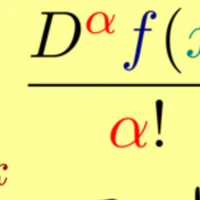
Comprehensive Relighting: Generalizable and Consistent Monocular Human Relighting and Harmonization
This paper introduces Comprehensive Relighting, the first all-in-one approach that can both control and harmonize the lighting from an image or video of humans with arbitrary body parts from any scene. Building such a generalizable model is extremely challenging due to the lack of dataset, restricting existing image-based relighting models to a specific scenario (e.g., face or static human). To address this challenge, we repurpose a pre-trained diffusion model as a general image prior and jointly model the human relighting and background harmonization in the coarse-to-fine framework. To further enhance the temporal coherence of the relighting, we introduce an unsupervised temporal lighting model that learns the lighting cycle consistency from many real-world videos without any ground truth. In inference time, our temporal lighting module is combined with the diffusion models through the spatio-temporal feature blending algorithms without extra training; and we apply a new guided refinement as a post-processing to preserve the high-frequency details from the input image. In the experiments, Comprehensive Relighting shows a strong generalizability and lighting temporal coherence, outperforming existing image-based human relighting and harmonization methods.
RAVE: Randomized Noise Shuffling for Fast and Consistent Video Editing with Diffusion Models
Recent advancements in diffusion-based models have demonstrated significant success in generating images from text. However, video editing models have not yet reached the same level of visual quality and user control. To address this, we introduce RAVE, a zero-shot video editing method that leverages pre-trained text-to-image diffusion models without additional training. RAVE takes an input video and a text prompt to produce high-quality videos while preserving the original motion and semantic structure. It employs a novel noise shuffling strategy, leveraging spatio-temporal interactions between frames, to produce temporally consistent videos faster than existing methods. It is also efficient in terms of memory requirements, allowing it to handle longer videos. RAVE is capable of a wide range of edits, from local attribute modifications to shape transformations. In order to demonstrate the versatility of RAVE, we create a comprehensive video evaluation dataset ranging from object-focused scenes to complex human activities like dancing and typing, and dynamic scenes featuring swimming fish and boats. Our qualitative and quantitative experiments highlight the effectiveness of RAVE in diverse video editing scenarios compared to existing methods. Our code, dataset and videos can be found in https://rave-video.github.io.


STEMO: Early Spatio-temporal Forecasting with Multi-Objective Reinforcement Learning
Accuracy and timeliness are indeed often conflicting goals in prediction tasks. Premature predictions may yield a higher rate of false alarms, whereas delaying predictions to gather more information can render them too late to be useful. In applications such as wildfires, crimes, and traffic jams, timely forecasting are vital for safeguarding human life and property. Consequently, finding a balance between accuracy and timeliness is crucial. In this paper, we propose an early spatio-temporal forecasting model based on Multi-Objective reinforcement learning that can either implement an optimal policy given a preference or infer the preference based on a small number of samples. The model addresses two primary challenges: 1) enhancing the accuracy of early forecasting and 2) providing the optimal policy for determining the most suitable prediction time for each area. Our method demonstrates superior performance on three large-scale real-world datasets, surpassing existing methods in early spatio-temporal forecasting tasks.